
The complete guide
How to Choose Brass Candle Holders for a Small Home
The problem with most candle holders
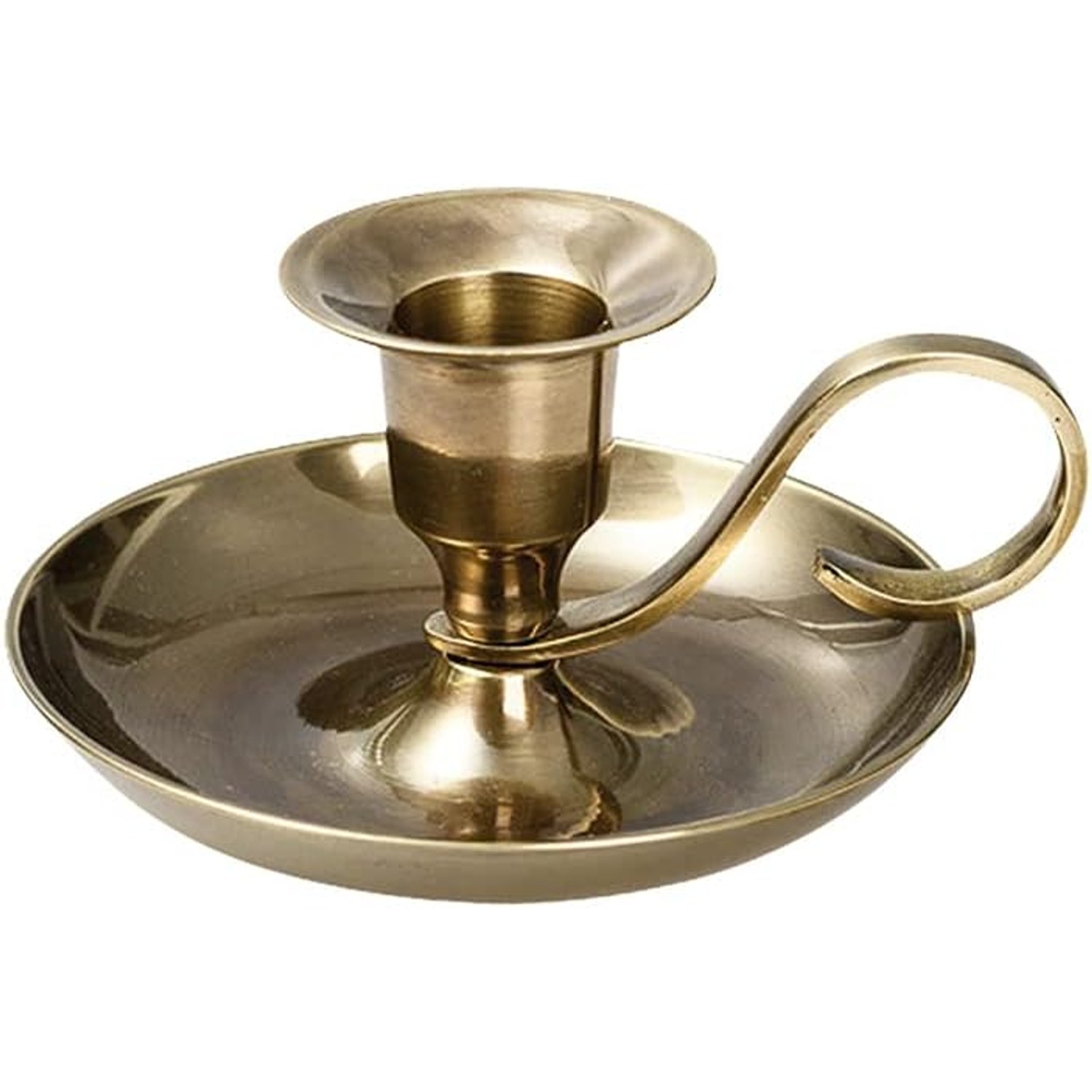
Walk into a homeware shop and you will see candle holders built for a different kind of house. Tall branched candelabra. Heavy iron pieces designed for a long sideboard. Chunky cups made for fat pillar candles that burn all evening. They look impressive in a photograph of a large room with high ceilings and plenty of empty surface.
Then you bring one home to a flat, put it on the dining table, and realise you cannot see the person sitting opposite. Or you put it on a shelf and it takes up the whole shelf. Or it sits in a cupboard most of the year because it only really suits a certain season you do not actually have.
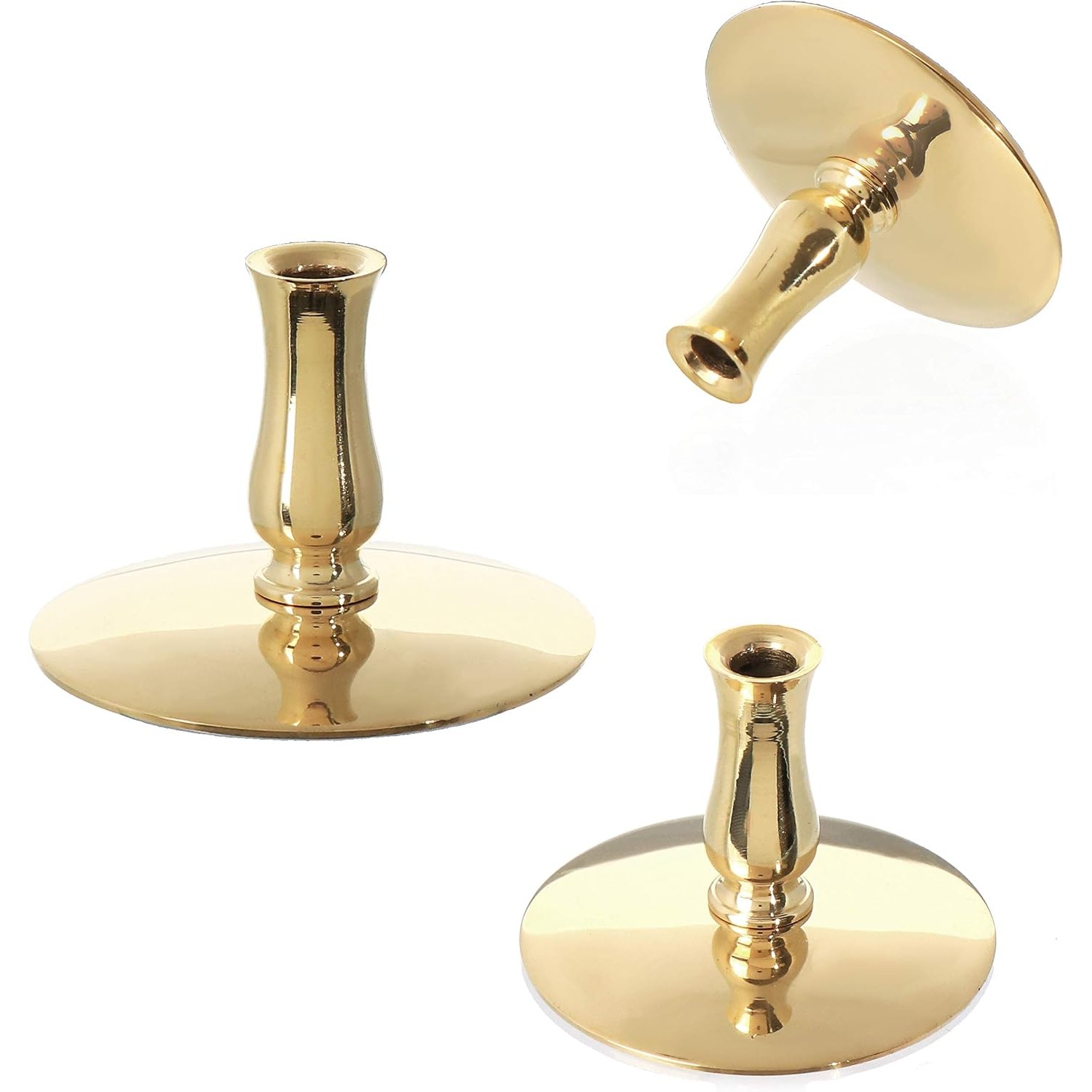
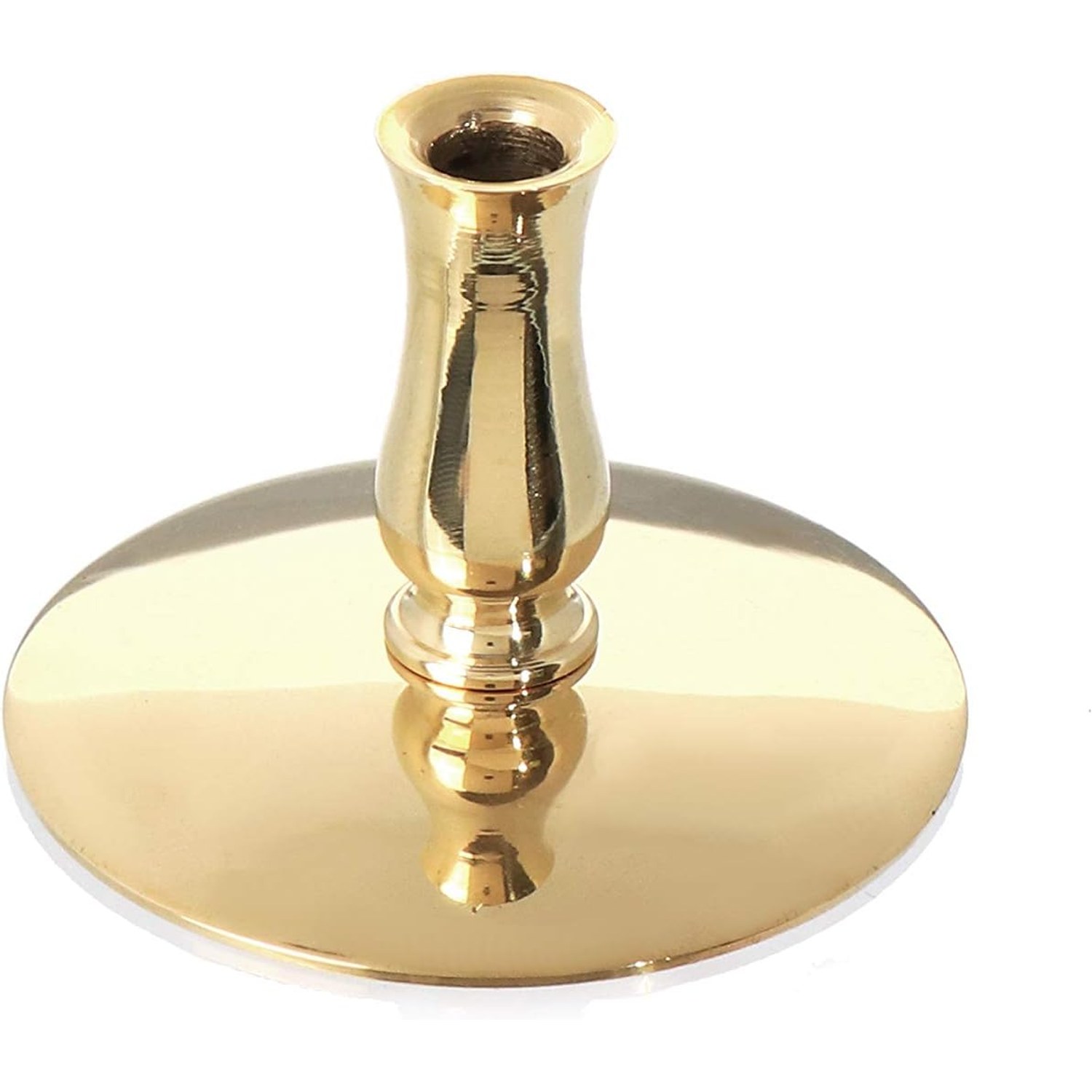
Small homes need small objects that earn their place. That is the gap this set fills. Three brass holders, each about 5 cm across and 3.4 cm high, that disappear into a room until you light them.
What these actually are
Three holders, made from brass, finished in a high-gloss gold. Each one is a flat round disc with a small vase-shaped cup in the centre, sized for thin taper candles up to 6.7 mm in diameter. They weigh about 30 g each, so they are light to pick up and move around.
Candles are not included. Some people find that annoying, but it is genuinely better. Candle preferences are personal, and the slim tapers these take come in dozens of colours. You pick plain white for a formal dinner, a soft cream for everyday, something brighter for a celebration. A set that came with candles would lock you into one look and then run out.
The maker lists a religious theme and a communion occasion, which tells you something about the candle size. Slim tapers are the standard in prayer and ceremonial settings. But the holders themselves are plain enough that nobody would read them as anything other than nice brass objects.
Why the height matters more than you think
Three point four centimetres is short. That is the whole idea.
At a dining table, anything above about 10 cm starts to interfere with conversation. People lean to see around it. Someone moves it to pass a dish and it never goes back. The candle holders that work at a dining table are the ones you forget about, because they sit below eye level and let the light do the work without the object demanding attention.
On a shelf, low holders leave room above them. If you have art, a mirror or a stack of books, a tall candle holder fights with it. A low one sits underneath and adds warmth without competing.
There is a practical side too. A short holder with a 5 cm base is harder to knock over than a tall narrow one. It still helps to keep them away from the edge of a table and out of the path of a swinging elbow.
Choosing the right candle
This is the one thing to get right. The openings take candles up to 6.7 mm across, and that is narrower than most people expect.
A standard dinner candle, the kind sold in supermarkets, is usually around 20 to 22 mm. It will not fit. Neither will a tealight or a pillar.
What you want is the slim taper, sometimes sold as a thin candle, a prayer candle or a birthday taper. They are typically between 5 and 7 mm. Before you buy a box, measure one with a ruler or look for the diameter on the packaging. If it says 6 mm, you are fine. If it says 8 mm, keep looking.
Slim tapers burn faster than thick candles because there is less wax. Expect a shorter burn, which honestly suits most evenings. You light them for dinner, they burn down while you eat, and you are not left with a half-finished candle you feel obliged to keep going.
Slim LED tapers also exist. If you have small children, a curious cat, or you simply do not want a live flame on the shelf, check the stem diameter and use those instead.
Where to put them
Three is the useful number here, because it gives you options.
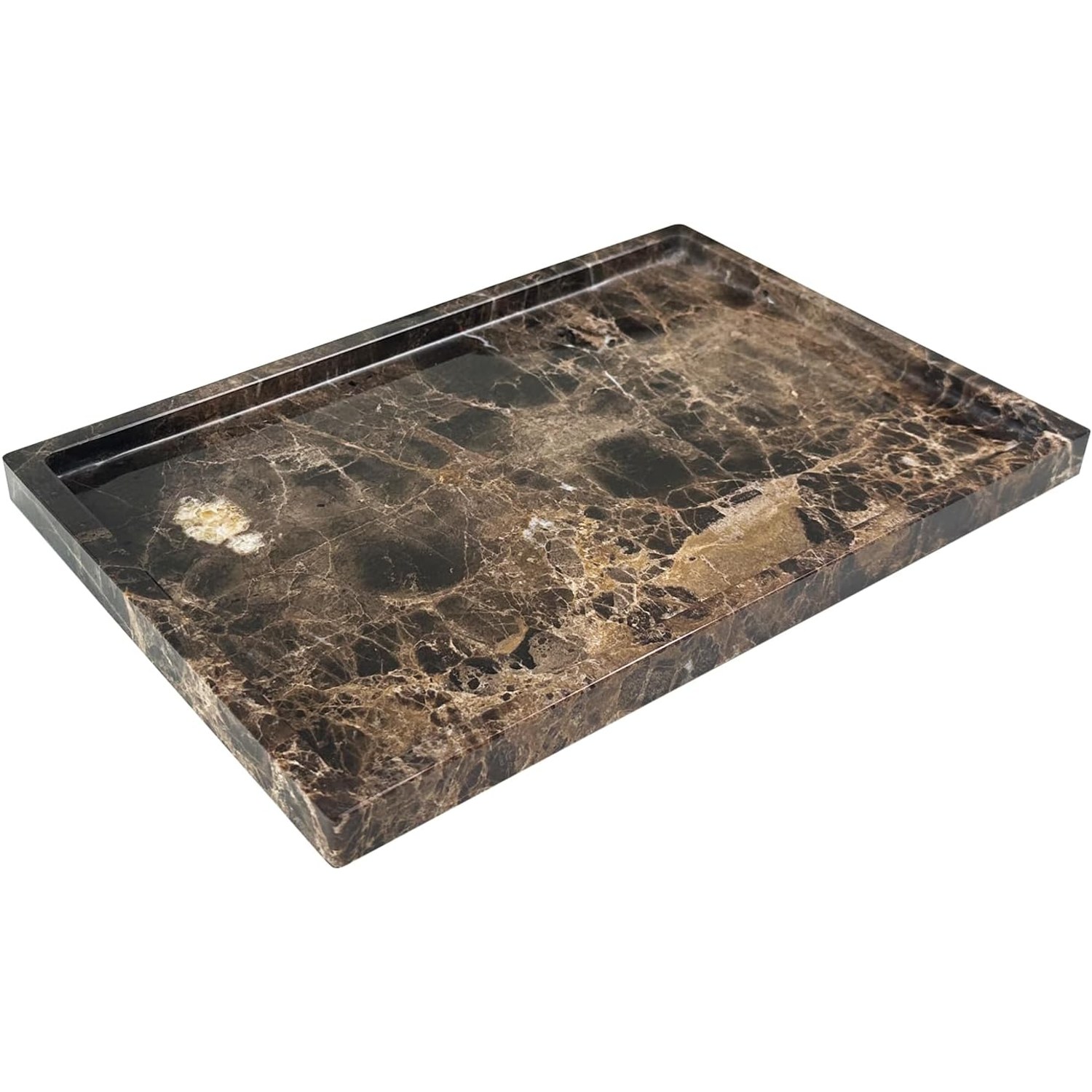
All together. Line the three down the centre of a dining table, evenly spaced, and you get a low run of light. This is the most formal arrangement and the one that reads well when you have guests. Put a runner or a narrow marble tray underneath and the group feels intentional.
Split across a room. One on a side table, one on a shelf, one beside a mirror. Repeating the same small object in three places ties a room together without anything looking matched. This is the arrangement that suits a flat where you do not have one big surface to fill.
Two and one. A pair on a sideboard and a single one somewhere else. Pairs feel settled, singles feel casual, and the combination avoids the slightly stiff look of a perfectly symmetrical set.
Near a mirror is worth trying. The gloss finish reflects light, the mirror reflects both the brass and the flame, and a single small candle suddenly does the work of two.
Living with brass in a humid climate
Brass changes over time. Air, moisture and the oils from your hands all contribute, and in a warm humid place the process moves along a little faster than it would elsewhere.
You have two choices and neither is wrong.
Leave them alone and the gloss will soften into a deeper, warmer tone. Some people prefer this. An aged brass surface looks lived-in and sits beautifully against stone and wood.
Or keep them bright with a wipe. A soft dry cloth once a week handles dust and fingerprints. If you want to hold the high-gloss look, that small bit of attention is all it takes. Keep them out of direct spray from a kitchen or bathroom, and store them somewhere dry if they are going in a cupboard for a while.
Avoid harsh cleaners and anything abrasive. A scouring pad will scratch a polished finish permanently, and no amount of polishing afterwards will bring it back.
Dealing with wax
Wax will end up in the holder eventually. It is not a problem.
Wait until it is completely cool and hard. Warm wax smears and makes more mess. Once it has set, it usually lifts out in one piece with a fingernail or the edge of a plastic card. If it is stubborn, a few minutes in the fridge will shrink it and loosen the grip.
Do not use a knife or any metal tool. Brass is softer than you think and a slip leaves a scratch.
For longer burns, put a small saucer or tray underneath. It catches anything that runs over the edge and saves you cleaning the table afterwards.
Pairing them with other pieces
Brass works with almost everything, which is why it keeps coming back into fashion.
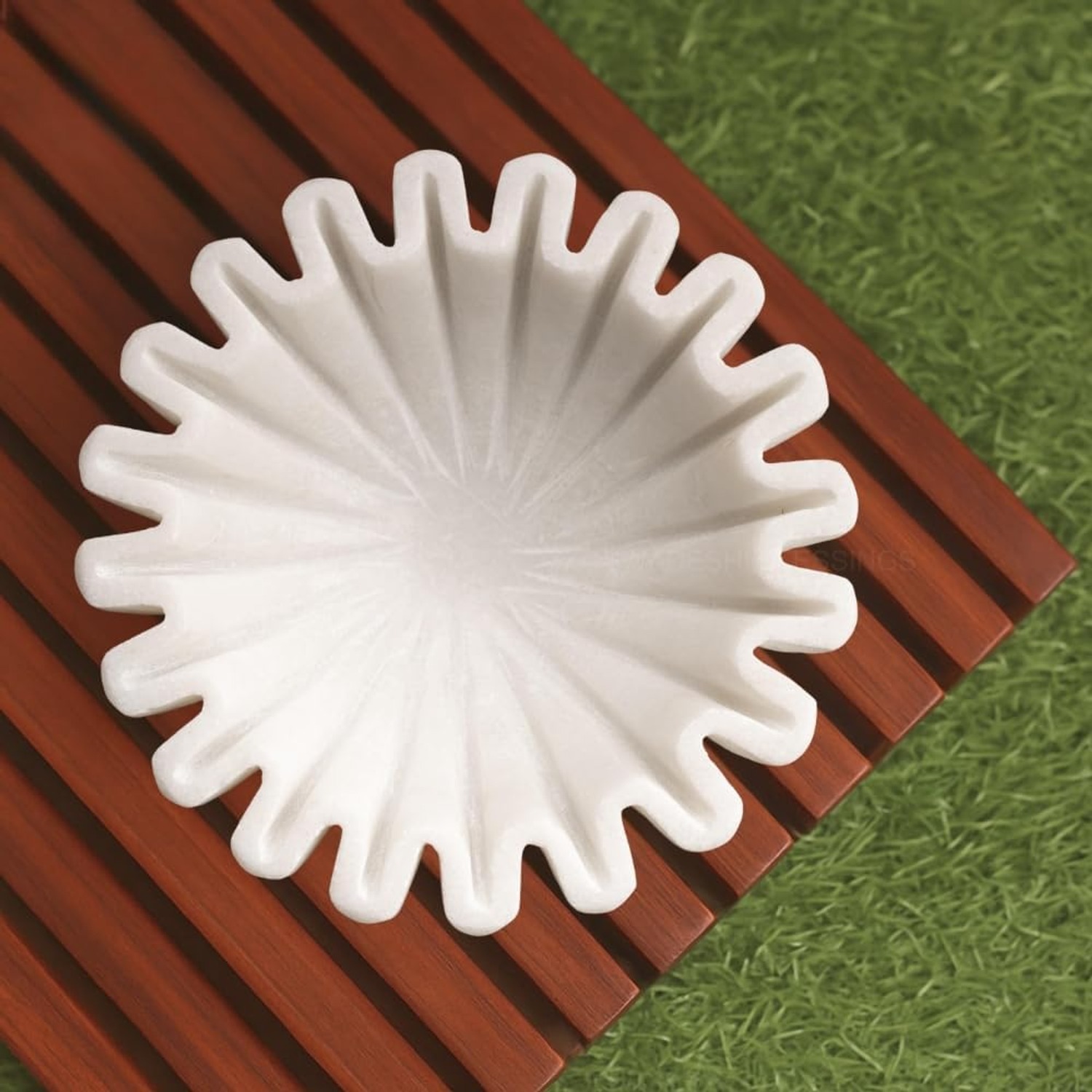
Against white or grey marble, warm gold looks deliberate. A matte stone surface and a glossy metal is a good contrast. Against dark timber, brass reads as rich and traditional. Against pale linen, it reads as soft and understated.
Mixing brass with other metals is fine too, as long as you commit. One brass piece in a room full of chrome looks accidental. Three brass pieces plus a brass lamp and a brass picture frame looks like a decision.
Do not worry about matching tones exactly. Brass from different sources ages differently, and a slight variation across your pieces looks collected rather than bought all at once.
The short version
These are three small brass candle holders, about 5 cm across and 3.4 cm high, with a polished gold finish. They take thin tapers up to 6.7 mm, and candles are not included.
Buy them if you want warm light in a small space without giving up surface area. Measure your candles first. Group them or spread them, wipe them now and then, and let the wax cool before you dig it out.
They are not dramatic. They are the sort of thing you put down once and then quietly enjoy.