
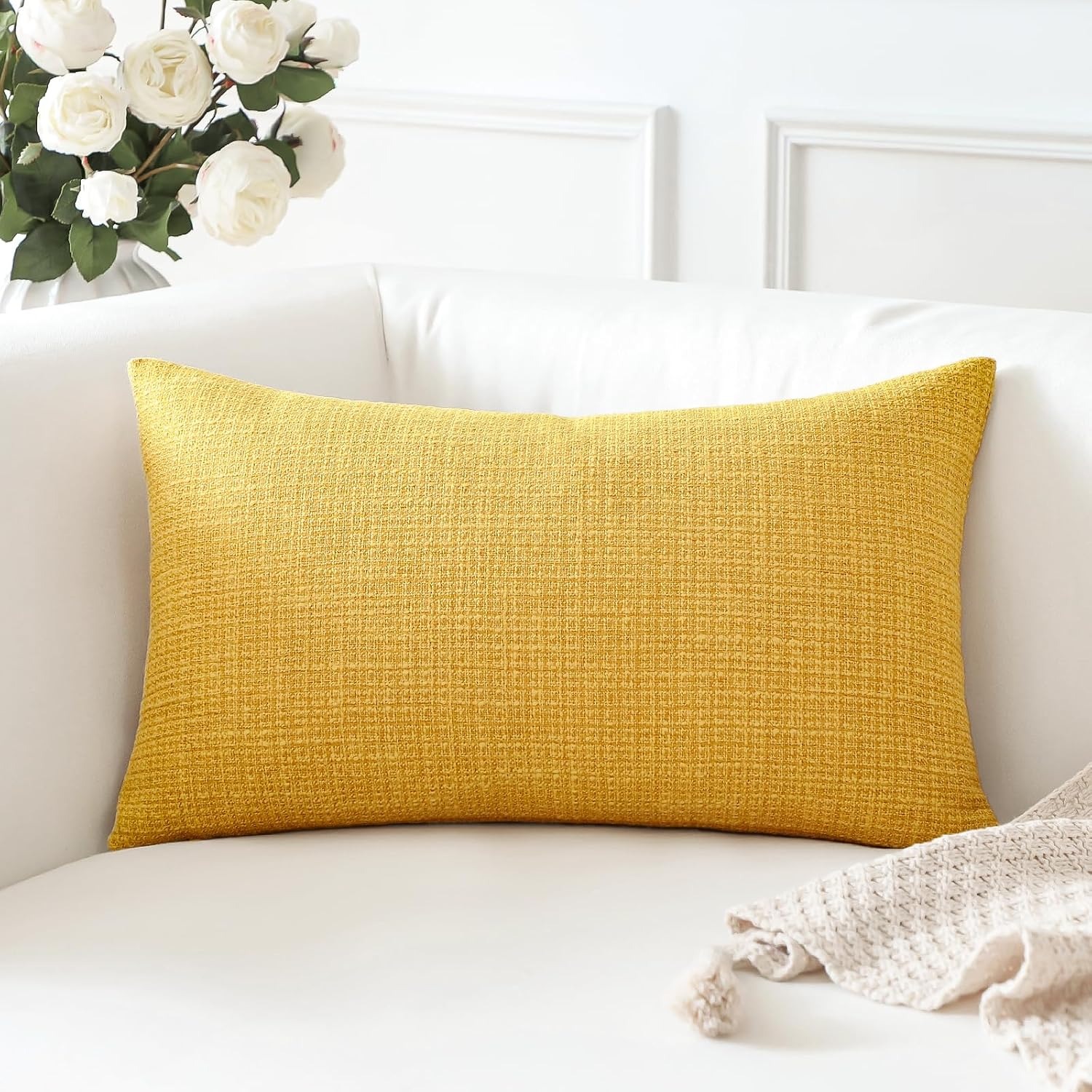
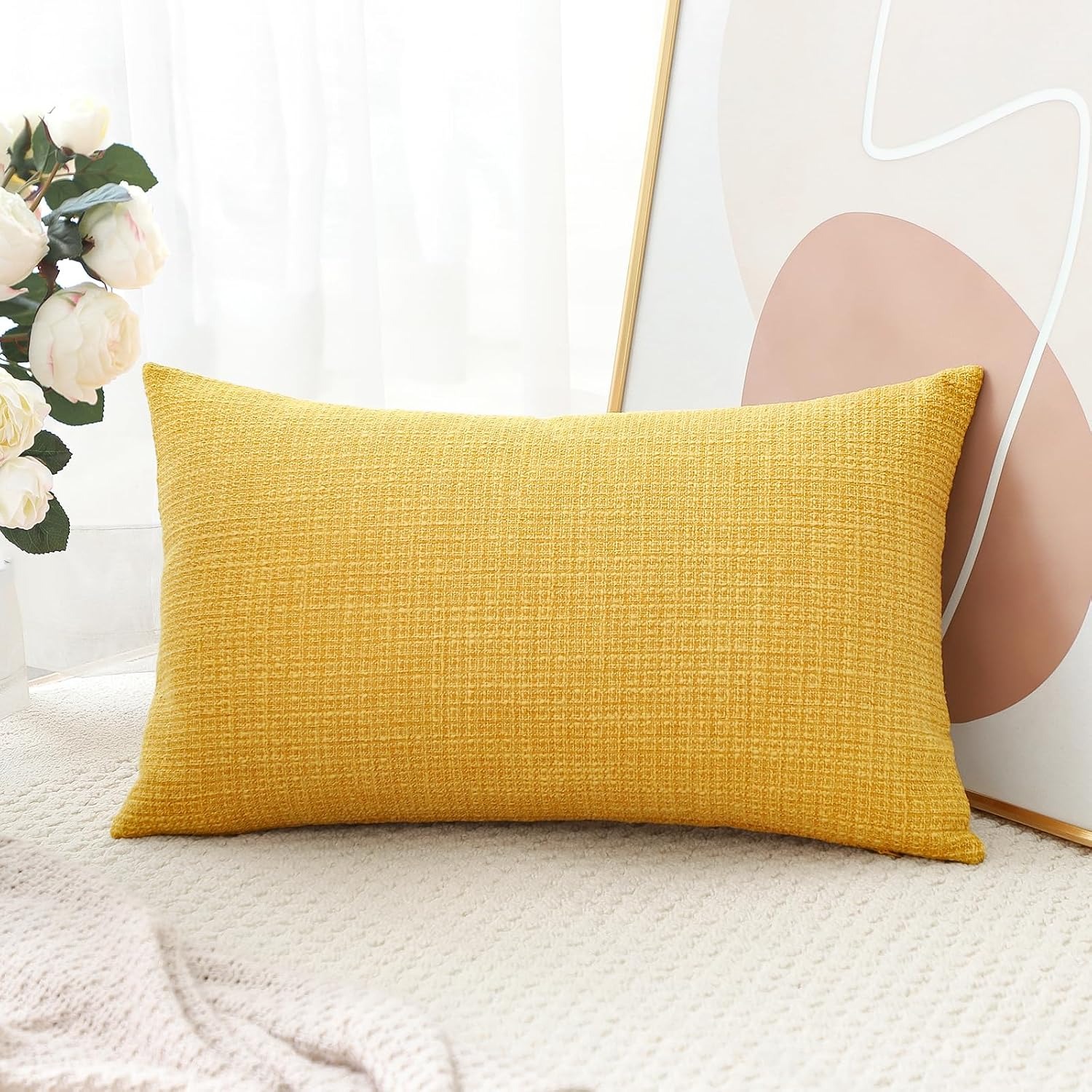
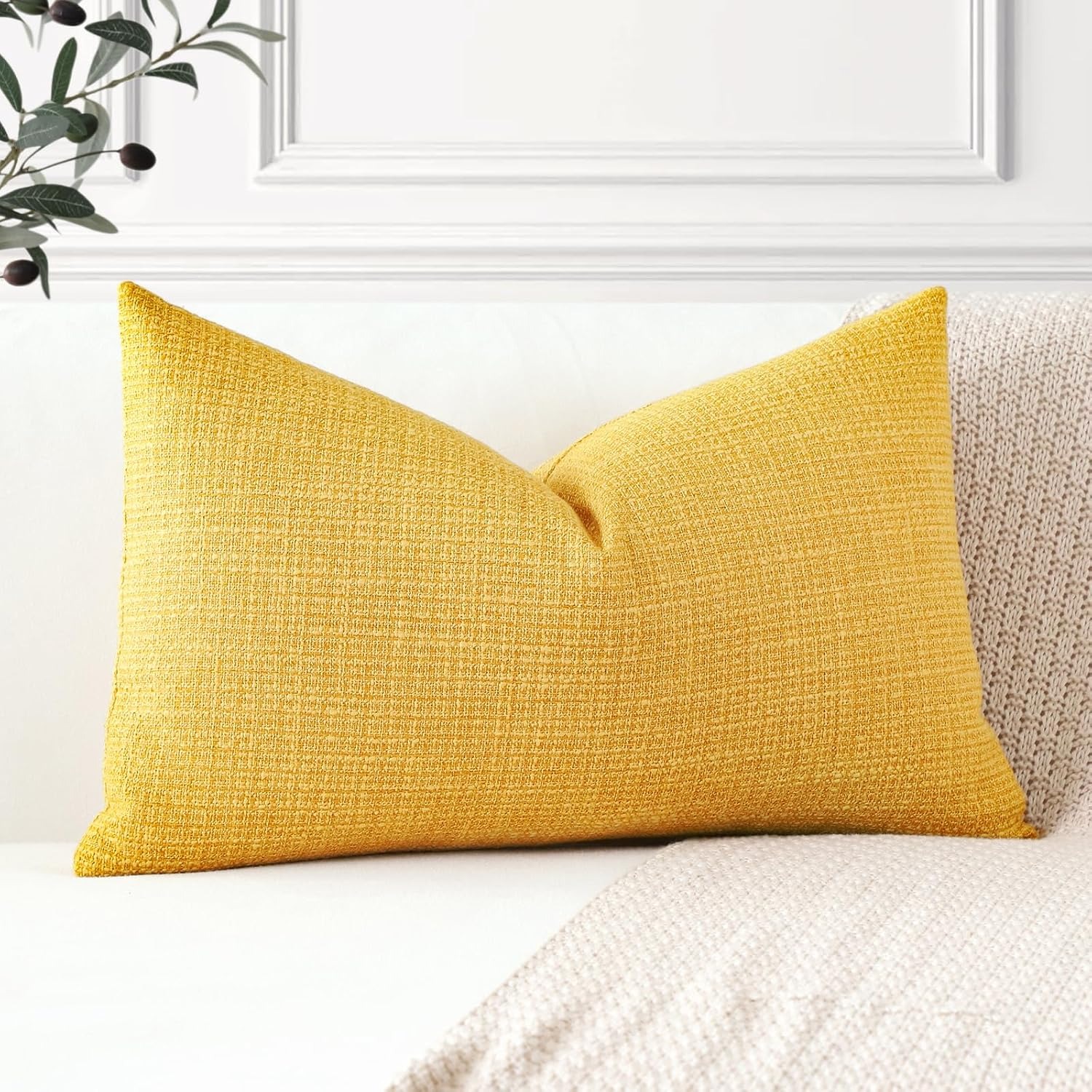
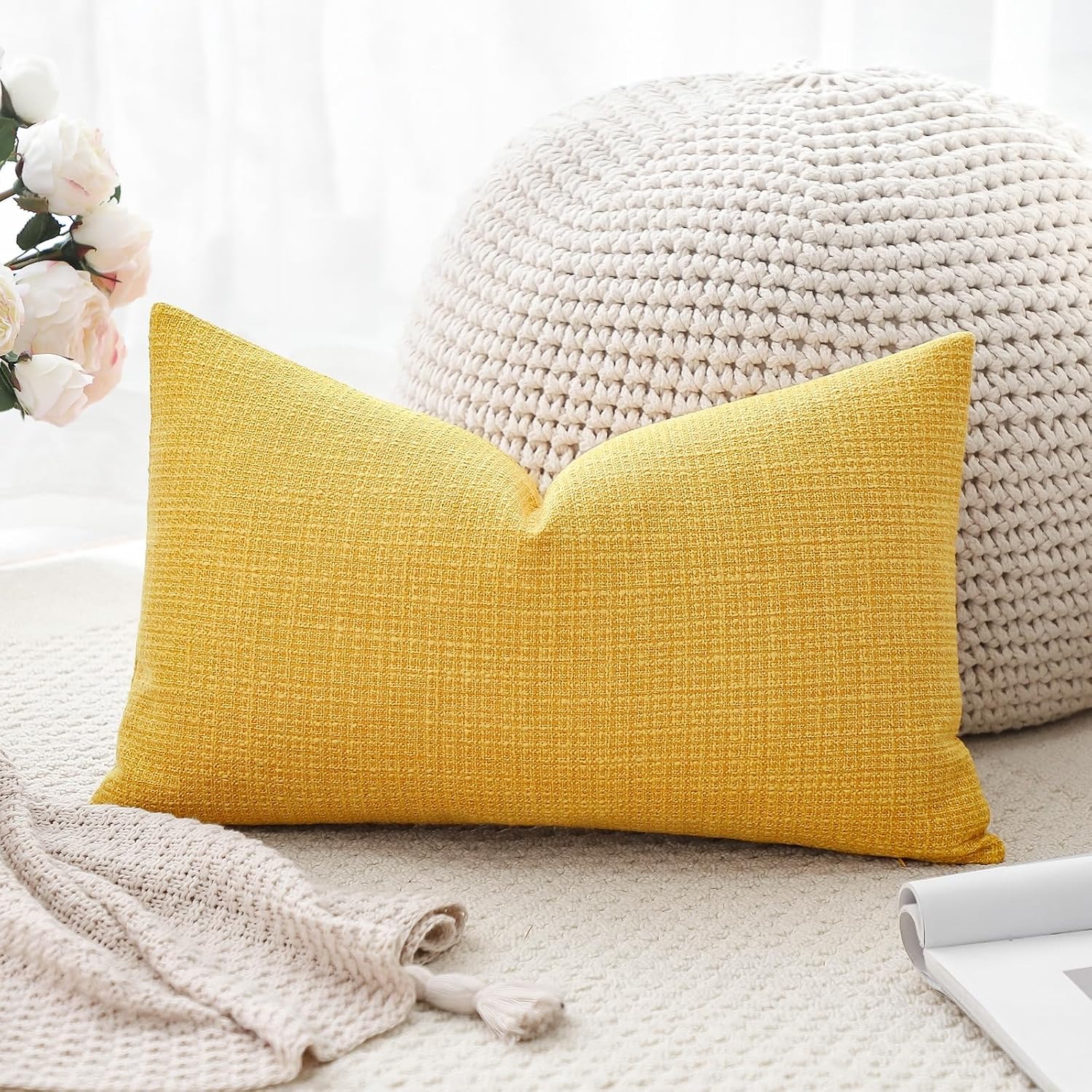
The complete guide
How To Choose A Linen Look Cushion Cover That Actually Works In Your Home
The small problem cushions are meant to solve
Most living rooms in a flat or condominium are working hard. The sofa is a seat, a desk, a napping spot and sometimes a guest bed. The room is air-conditioned, the light is bright, and the surfaces tend to be pale. After a while it all looks slightly flat, and you start thinking about new furniture when what the room actually needs is a bit of texture and one warm colour.
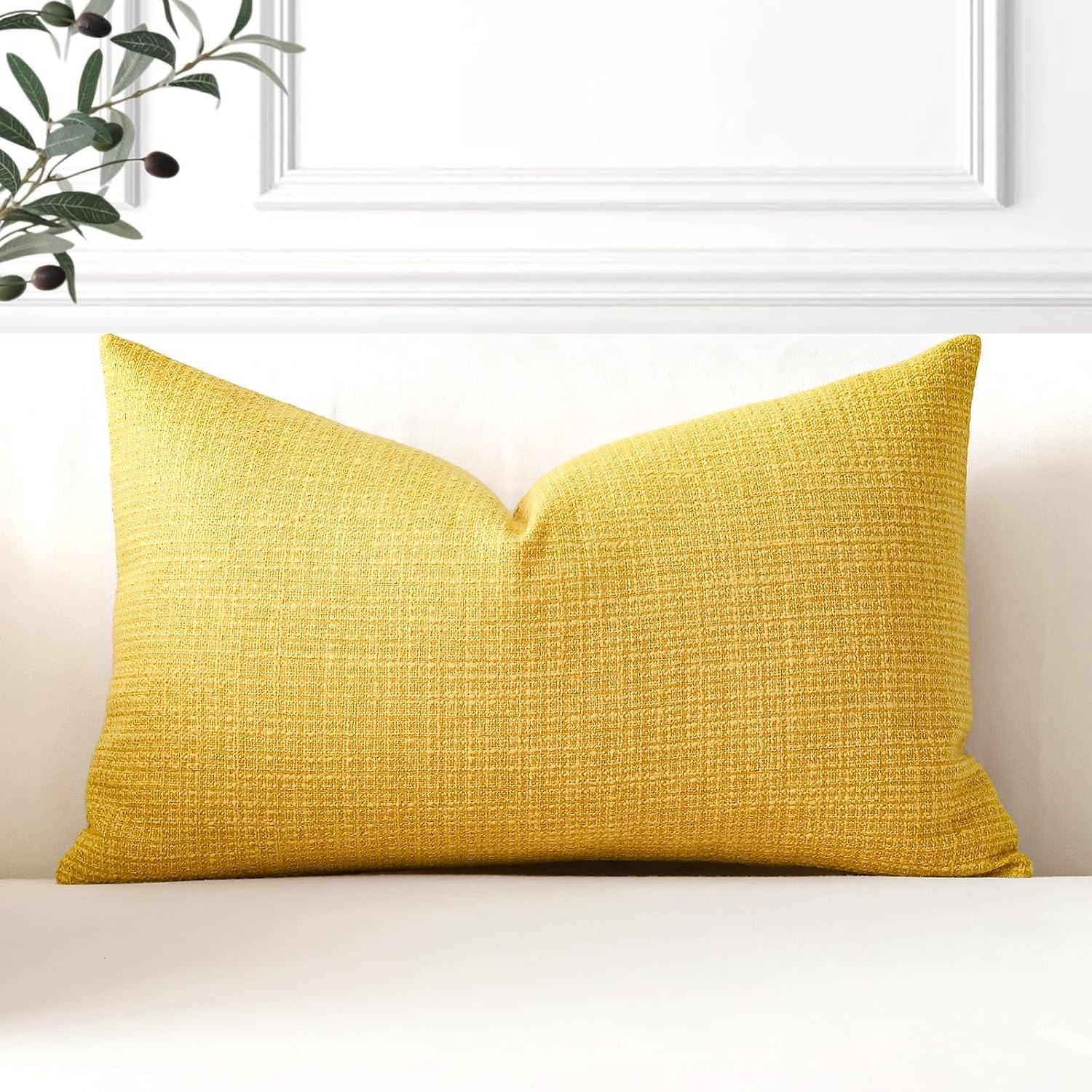
That is the job of a cushion cover. It costs little, takes a minute to change, and you can swap it back if you decide it was the wrong call. A single linen look cushion cover in yellow does two things at once. It adds a weave you can see from across the room, and it adds a warm note against grey, white or timber.
The second job is practical. A deep sofa leaves a gap between you and the backrest. A rectangular cushion of 40 x 60 cm fits into that gap neatly.
What a linen look weave actually is
This cover is made from polyester fibre with a linen look. The maker says so, and it matters, so we repeat it instead of hiding it behind a vague description. It is not pure linen.
Real linen comes from flax. It has a dry handle and a slubby, uneven surface, and it creases almost at once. That crumple is part of its charm for some people and an irritation for others.
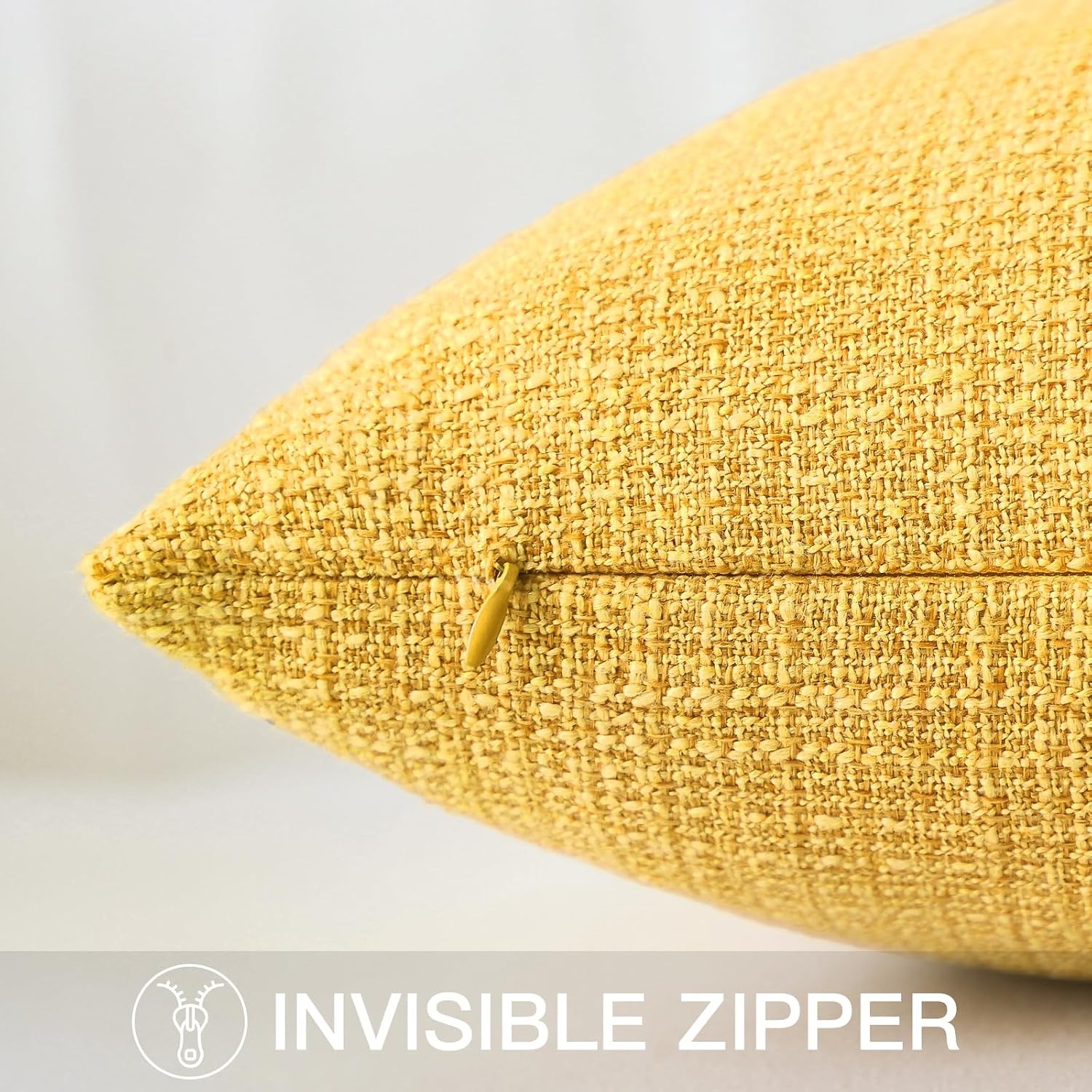
A linen look polyester copies the visual texture. In the photos you can see a plain weave with a slightly irregular, matte surface. The maker describes the fabric as strong, easy to wash and not prone to linting or creasing.
If you want flax and nothing else, this is not the cover for you. If you want the textured look with simple washing, it is a fair choice for a sofa that gets used every evening.
Why the 40 x 60 cm rectangle is worth having
Square cushions are the default, and a row of them looks tidy but a little predictable. Slip one rectangle into the mix and the arrangement looks more considered.
There is a practical reason too. The rectangle sits horizontally across the lower part of the backrest. Square cushions tend to ride up behind your shoulder blades instead.
The same shape works on a bed, sitting in front of your sleeping pillows during the day. It works on a wide armchair. It works on a desk chair in a study with a firmer insert.
Picking the right insert
The cover comes on its own, with no pad included. That keeps the cost down if you already have inserts, but it does mean you need to make one decision.
Match the size at 40 x 60 cm for a clean, relaxed fit. Go up a size, to something like 45 x 65 cm, if you prefer a full, firm, slightly overstuffed look where the fabric is gently stretched. Avoid going smaller. An undersized pad leaves hollow corners and the whole cushion looks deflated. The maker allows 1 to 2 cm variation in the cover size, so measure before you choose a tight fit.
Fill type changes the character more than most people expect:
- Polyester hollowfibre is light and inexpensive. It holds a neat shape and is the easiest choice for a decorative cushion.
- Feather or feather-blend has a slumped, relaxed look. It moulds around you and needs a quick plump each morning.
- Foam or foam-core pads are the firmest. Choose these if you want the cushion to hold its shape on a desk chair.
Making yellow work in an air-conditioned, bright room
Yellow has a reputation for being tricky, but plain yellow against neutrals is an easy accent to place. The reason is simple. Many flats are built on a cool palette of white walls, grey upholstery and pale timber. A warm colour cuts through that without needing to be loud.
A few ways people use it well:
- One yellow rectangle on a grey two-seater, nothing else. The single accent approach.
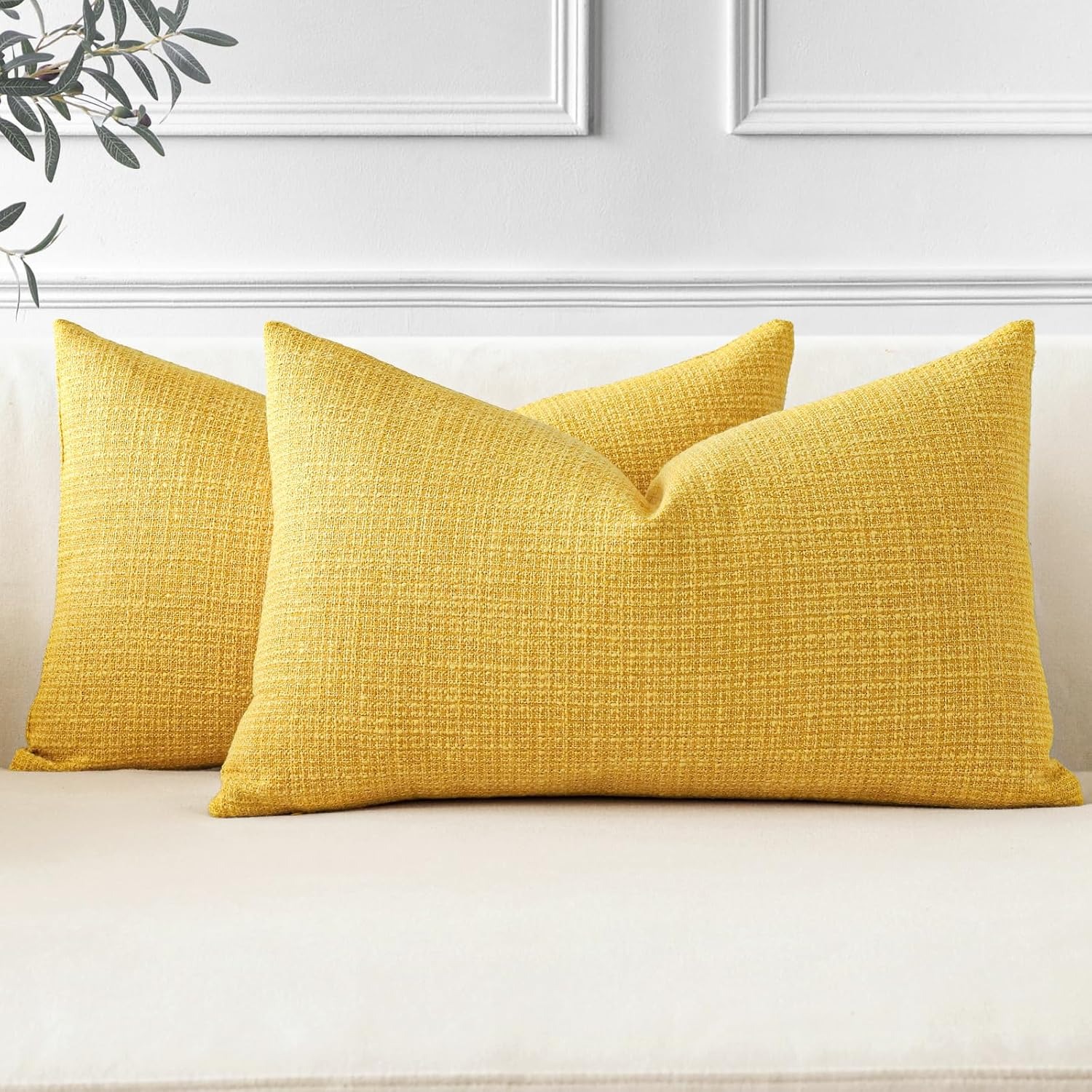
- Two yellow cushions at opposite ends of a long sofa, with plain sand or off-white squares in between.
- One yellow cushion on a reading chair, echoed somewhere else in the room by a book spine, a vase or a plant pot.
Avoid putting a bold pattern directly beside it. Plain colours and strong prints compete for attention. A subtle texture, a loose weave throw or a quiet stripe will do much more for the look.
A cover also suits a rental or a short lease. It changes nothing permanent and comes with you when you move.
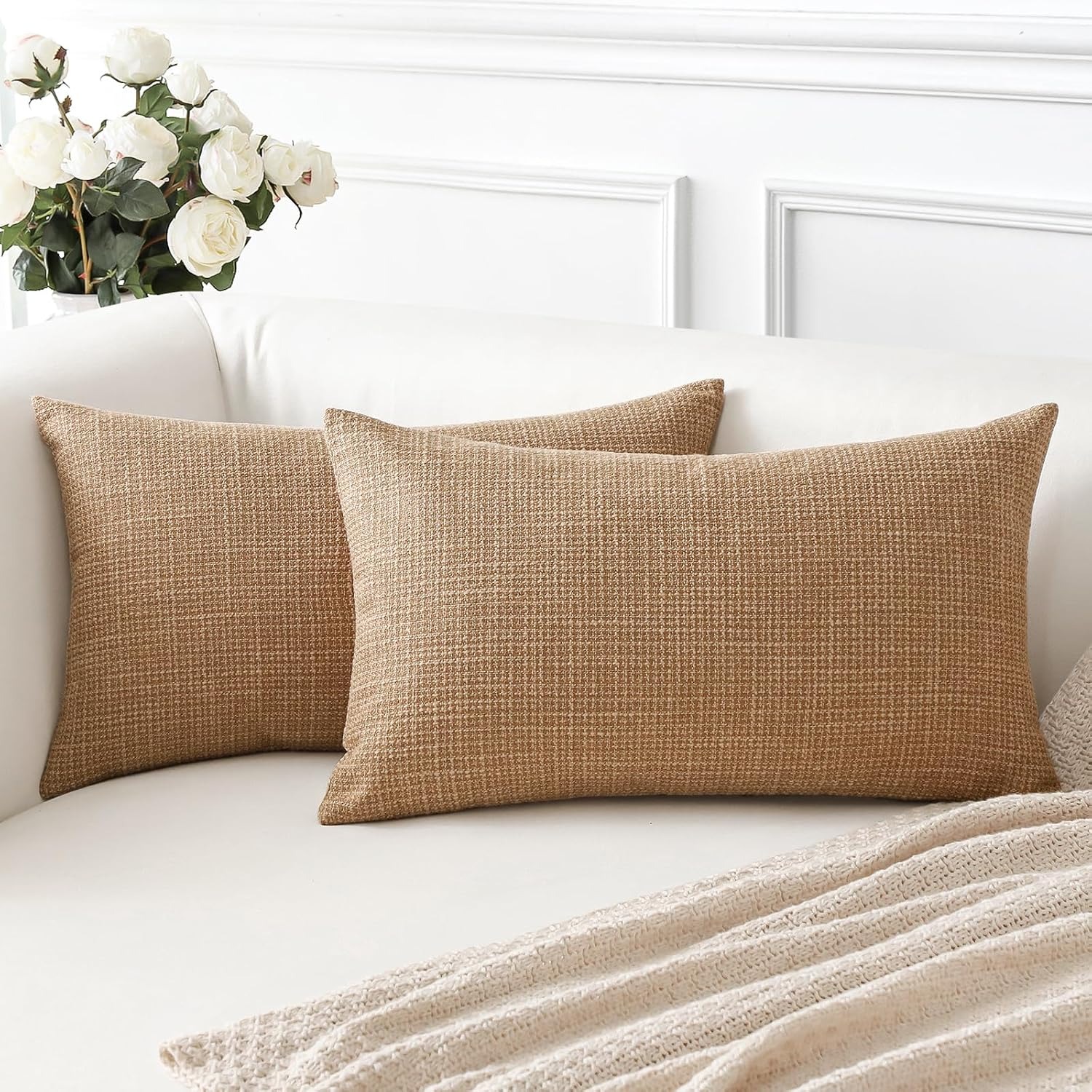
The maker notes that lighting can make the colour in the pictures look slightly different from the real cover.
Living with it day to day
Care is simple. Machine wash in cold or warm water and do not bleach. Those are the instructions from the maker and they are worth following to the letter.
A few habits help. Close the zip before washing so the slider does not catch on other items. Use a gentle cycle. Wash with similar colours. Air dry where you can, and if you use a dryer, keep the heat low and pull the cover out while it is still a little damp.
Fitting the cover is easier if you do not fight it. Turn it inside out partway, push the insert into the far corners first, then work the fabric back over the rest of the pad. Zip it closed, give it a shake and a quick pinch at the corners.
Blot small marks straight away with a damp cloth instead of scrubbing. Spills are much harder to shift once they dry.
If pets use the sofa, a laundry bag during washing helps, and a quick pass with a lint roller between washes keeps the surface looking fresh.
Who this suits, and who it does not
It suits anyone refreshing a sofa, bed or chair without spending much. It suits renters. It suits people who want texture and a plain colour instead of pattern. It suits an air-conditioned living room, a study chair or a bedroom corner.
It is less suited to someone determined to have pure flax and willing to iron it. The maker lists it for indoor and outdoor areas but does not call the fabric weather resistant, so keep it to a sheltered spot and bring it in out of sun and rain.
And if you do not already own a 40 x 60 cm insert, remember to buy one. The cover alone will not do much sitting folded in a drawer.
The short version
This is one plain cushion cover, 40 x 60 cm, in yellow, made from polyester fibre with a linen look. It has a hidden zip and no insert. Wash it cold or warm and do not bleach.
Buy an insert at 40 x 60 cm for a neat fit, or go one size larger for a plumper look. Use it on a sofa, a bed, an armchair or a desk chair. One rectangle among squares is usually all a room needs to stop looking flat.