
The complete guide
How To Choose A Cashmere Pashmina Scarf That You Will Actually Wear
The problem with being cold indoors
Nobody here needs a scarf for the weather. That is the first thing worth saying plainly. In a warm, humid city, outdoor layers are the last thing on your mind, and anyone who tells you otherwise has not walked to lunch at one o'clock.
Indoors is a completely different story. Office floors get set to a temperature that suits servers and suits, not people sitting still at a desk for four hours. Cinemas are colder. Restaurants with glass fronts run their air conditioning hard. Then there are flights, where the cabin drops several degrees once the lights go down, and trips to places where you step out of the airport and the air actually bites.
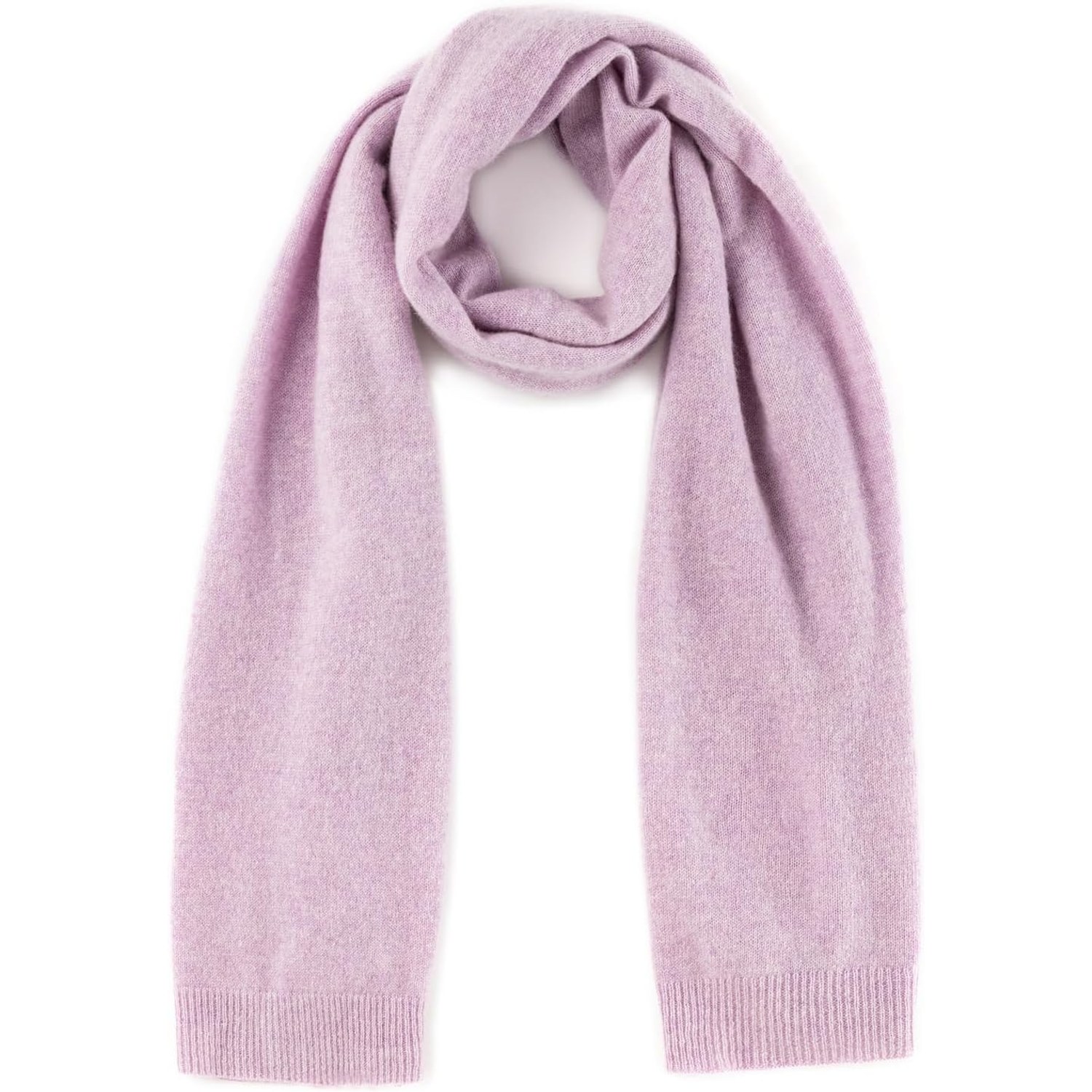
That is the gap a knitted cashmere pashmina scarf fills. Here it is not something you wear with a heavy coat. It is a portable layer you keep in a bag and pull out when the room decides it wants to be ten degrees colder than you do.
What makes cashmere different
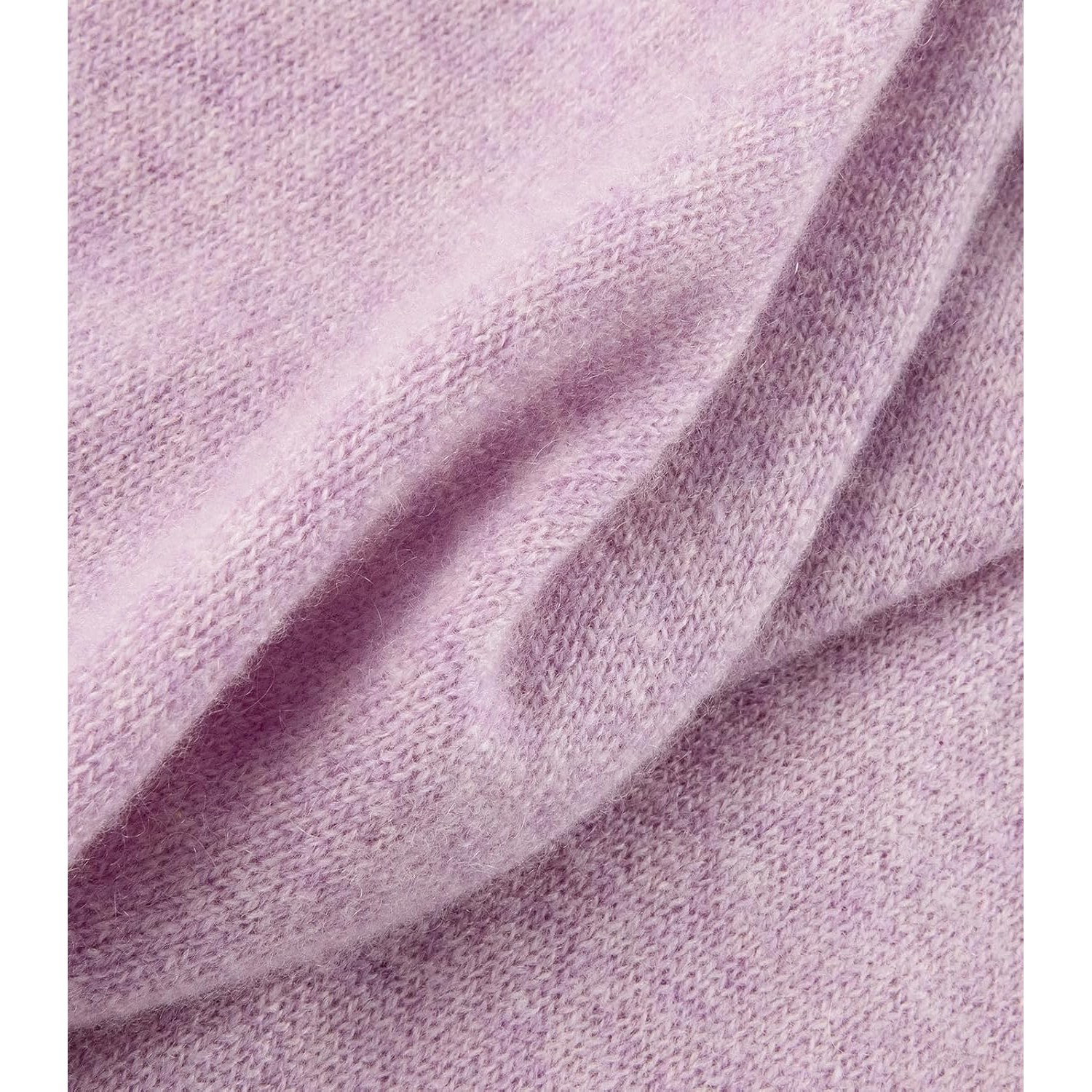
Cashmere comes from the soft undercoat of goats rather than the fleece of sheep. The individual fibres are much finer than standard wool, which produces two useful effects.
The first is softness. Fine fibres bend more easily against your skin, so you get less of the prickle that makes some wool unbearable at the neck. Many people find cashmere comfortable at the neck.
The second is warmth for the weight. Fine fibres make a knit that can be light and still warm, and the maker describes this scarf as lightweight yet warm. That is the practical reason a piece like this makes sense in a climate where you would never carry a thick scarf.
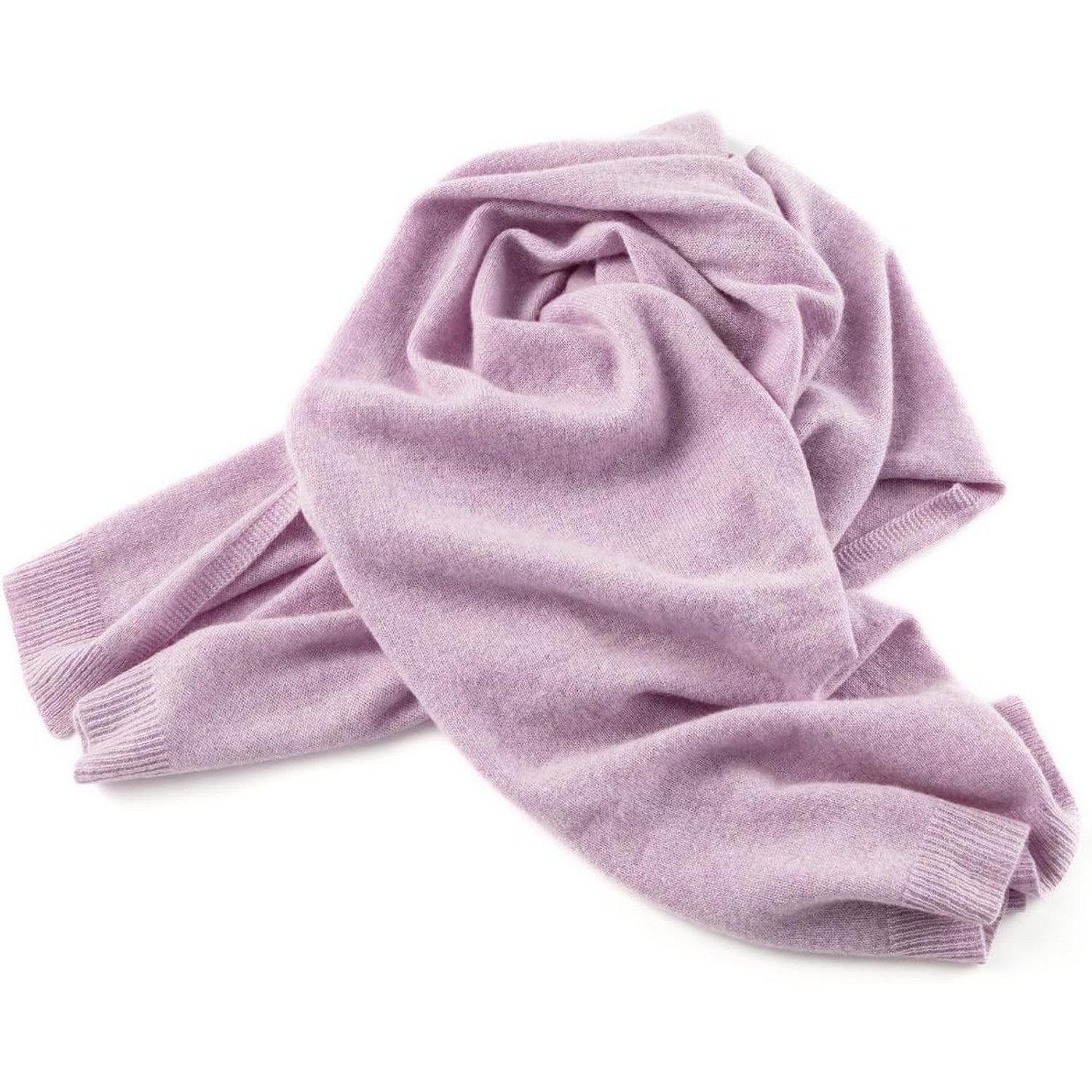
This particular wrap is knitted rather than woven. Knitting loops the yarn, which means the fabric has a bit of stretch and falls in soft folds instead of hanging flat and stiff. Woven pashminas tend to look crisper and more formal. Knitted ones feel more relaxed and tend to stay where you put them, which matters when you are wearing it over a shoulder rather than knotted tight.
About the size, honestly
We are not going to print a measurement for this one, and here is why.
The maker's own listing quotes two different sizes in two different places, 150 x 75 cm in one and 175 x 50 cm in the other. Those are meaningfully different pieces. The first is a wide, squarer shawl that covers the shoulders properly. The second is a longer, narrower scarf that is better for winding at the neck.
We could pick one and hope. We would rather tell you the listing is inconsistent and invite you to ask before ordering if the dimensions are the deciding factor. If you want something you can wrap over a sleeveless dress and actually cover your arms, say so and we will try to confirm what we can. If you mostly want a neck layer for the office and flights, either measurement would do the job fine.
This is the sort of thing that is worth checking on any wrap, not just this one. Width is what separates a scarf from a shawl.
Who it suits
If you feel the cold indoors while everyone around you seems fine, this is a sensible buy. The people who get the most out of a cashmere wrap are the ones who sit still in cold rooms, which covers most desk jobs, long meetings and anything involving a conference room with no windows.
Frequent travellers are the other obvious group. A cashmere scarf for flights earns its keep on a single overnight sector, working as a neck wrap when you are awake and a light cover when you are trying to sleep. It also solves the arrival problem, where you land somewhere cool with a bag full of clothes meant for the climate you left.
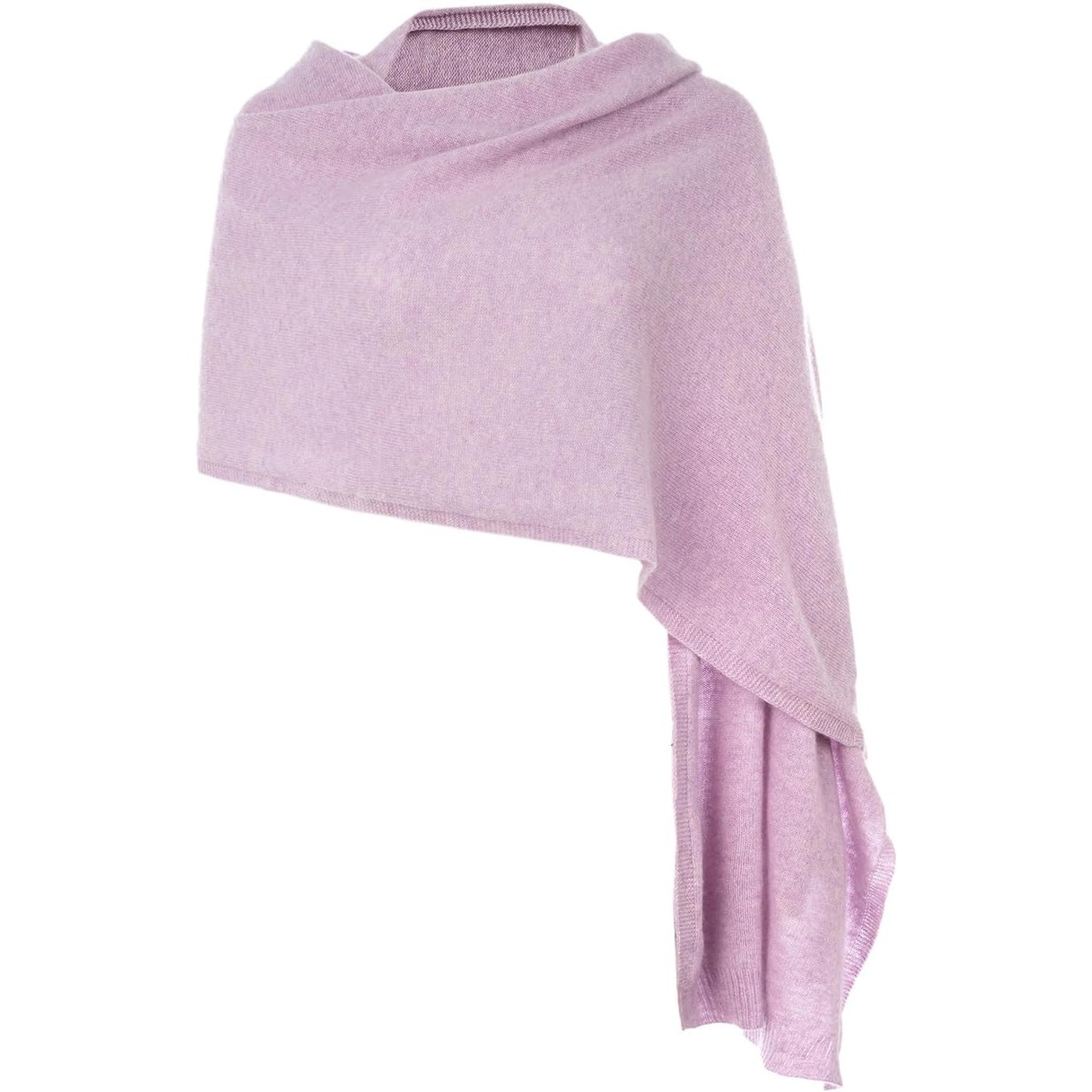
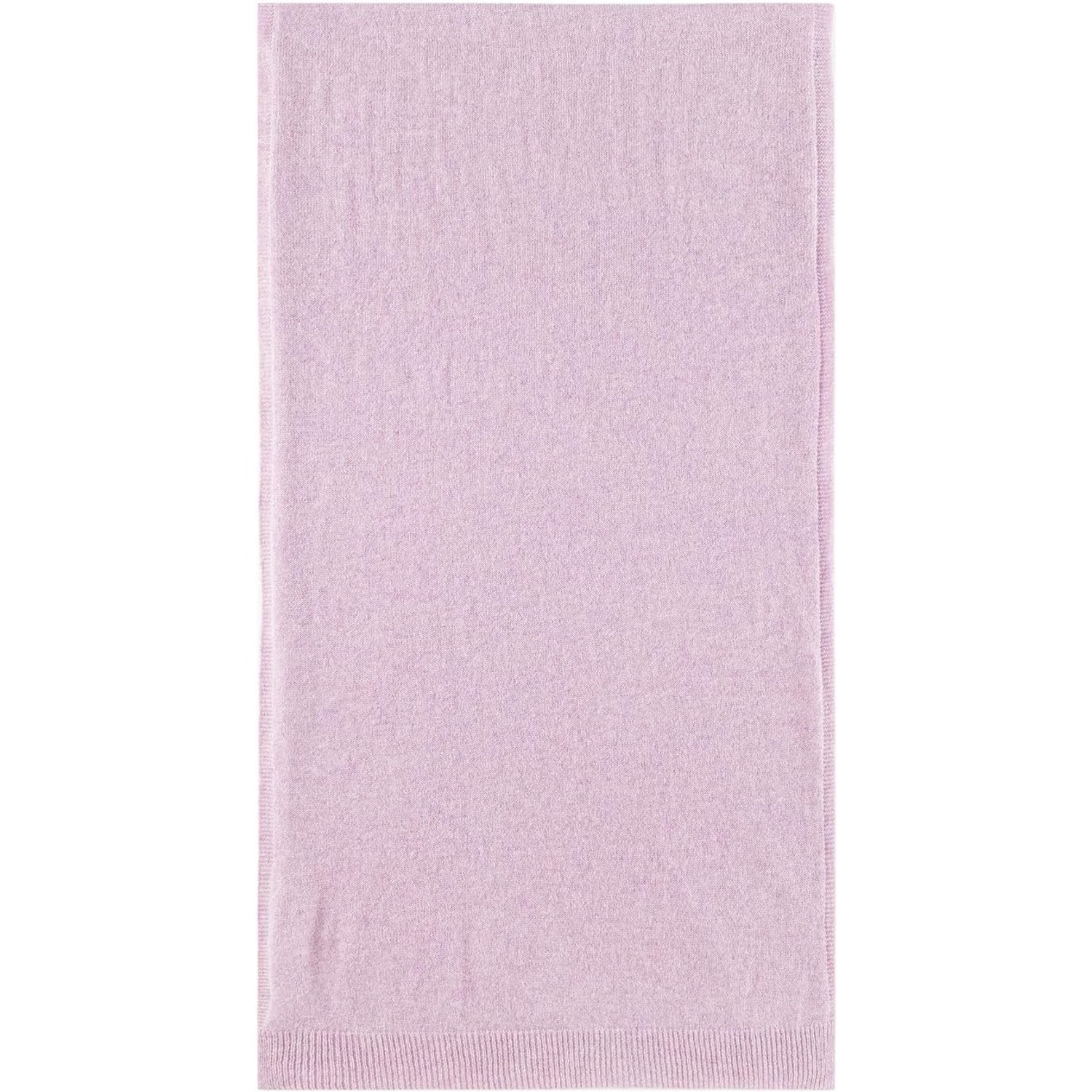
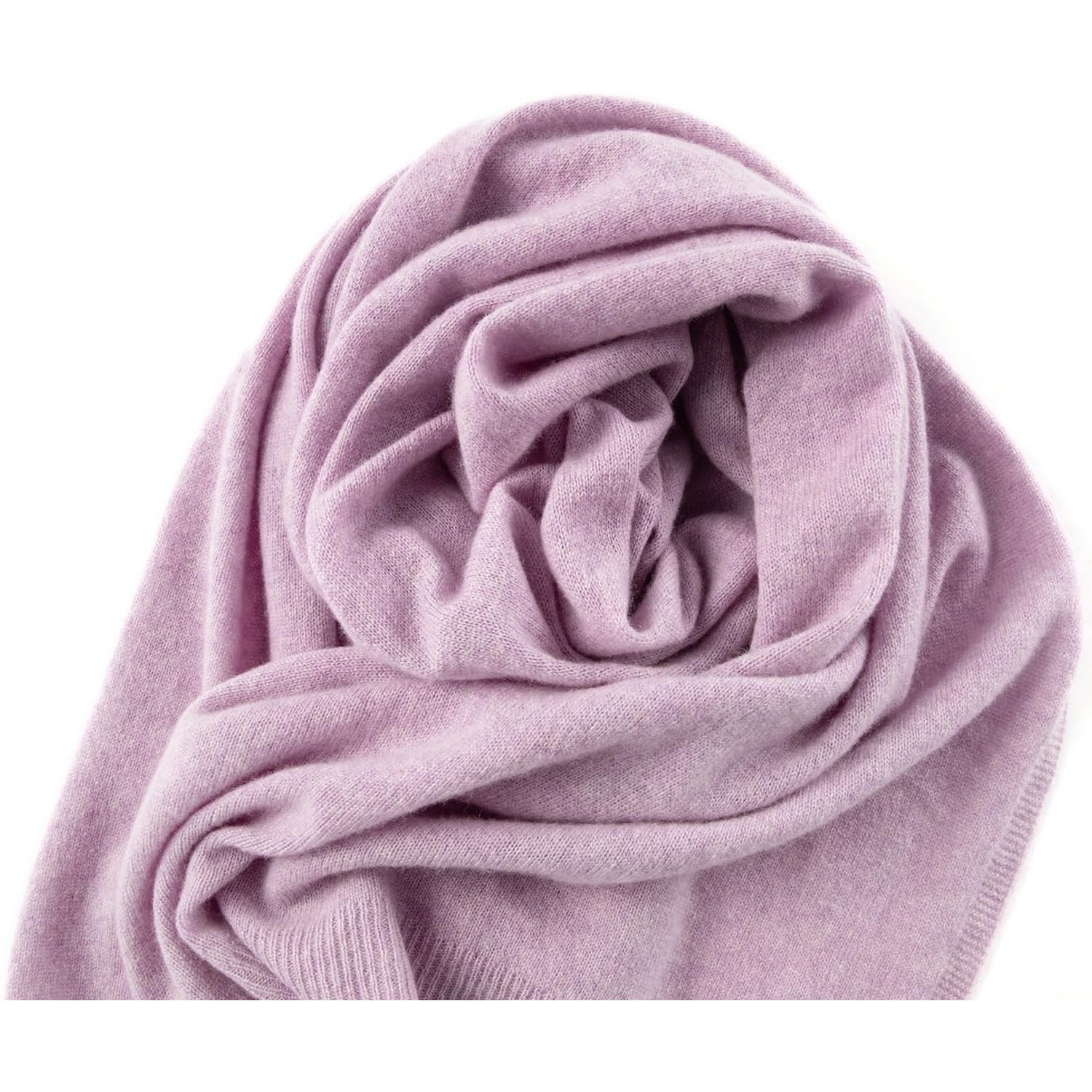
It suits people who want one considered accessory rather than a drawer of cheap ones. Solid lavender, no pattern. It goes with black work clothes, navy, grey, cream, and denim. If almost everything you own is neutral, a soft purple is a gentle way to introduce colour without a hard commitment.
How to judge quality in cashmere
Price alone tells you very little, so look at a few other things.
Feel is the obvious one. Good cashmere feels dense and slightly springy, not slippery. If it feels unusually silky straight out of the box, that can be a sign of heavy surface treatment that washes out and leaves the fabric looking tired.
Recovery is another. Scrunch a corner in your fist and let go. Quality knitwear settles back towards its original shape fairly quickly rather than staying creased and limp.
A little pilling is normal and not a defect. Any cashmere will form small bobbles where it rubs against a bag strap or a coat collar. A cashmere comb or a small fabric shaver clears them in a couple of minutes and the knit looks fresh again. What you do not want is pilling that appears everywhere after one wear, which suggests very short fibres in the yarn.
Finally, check what the maker actually states. A clear fibre content, here 100% cashmere, is more useful than a lot of adjectives and no facts.
Living with it
Care here is straightforward, which is a relief given the fibre's reputation.
Hand wash or dry clean. If you are hand washing, cool water and a wool-safe detergent are all you need. Let it sit for a few minutes, move it gently, rinse, then press the water out between your palms or against the side of the basin. Do not wring it and do not twist it. Lay it flat on a towel, nudge it back into shape while it is damp, and keep it away from direct sun and any heat source.
Skip the machine and skip the dryer entirely. Heat plus agitation is how cashmere felts, and once it has felted there is no undoing it.
For storage, fold rather than hang. Hanging stretches a knit at the shoulder over time. In a humid climate, the extra step worth taking is making sure the wrap is bone dry before it goes into a drawer, and keeping that drawer closed and dry. A small moisture absorber in the drawer is cheap and stops anything in there developing a stale smell.
You will not need to wash it after every wear. Airing it for a few hours between wears is usually enough.
The gift question
It arrives in a gift box, which quietly solves a lot. Accessories make good presents because there is no sizing to get wrong, and a one size wrap removes the last bit of risk. The colour is soft enough to suit most people and a little less expected than black or grey.
If you are buying it for someone who travels for work, mention that it is light enough to keep in a bag when you hand it over. That is the feature people appreciate three weeks later rather than on the day.
The short version
This is a knitted wrap made from 100% cashmere, in solid lavender, in one size, hand wash or dry clean, supplied in a gift box. It is meant for cold rooms, cold cabins and trips to cooler places, not for standing outside in the afternoon heat.
The one thing to sort out before you order is the measurement, because the maker's listing gives two different ones and we are not going to pretend otherwise. Ask us if width matters to you. If you just want a soft, light layer that lives in your bag and handles the air conditioning, you will get on with it well.