Quiet Luxury Company
Company
Shop By Category
T&Cs
Shop Online
  • Clear materials and product specifications
  • Free tracked delivery across Singapore over $150
  • 14-day returns

Crochet Edged Linen Napkins | Pure linen napkins set of 4 | table linen

Crochet Edged Pure Linen Napkins, Set of 4

$134.99 $161.99 Save $27
  • Pure Linen Cloth
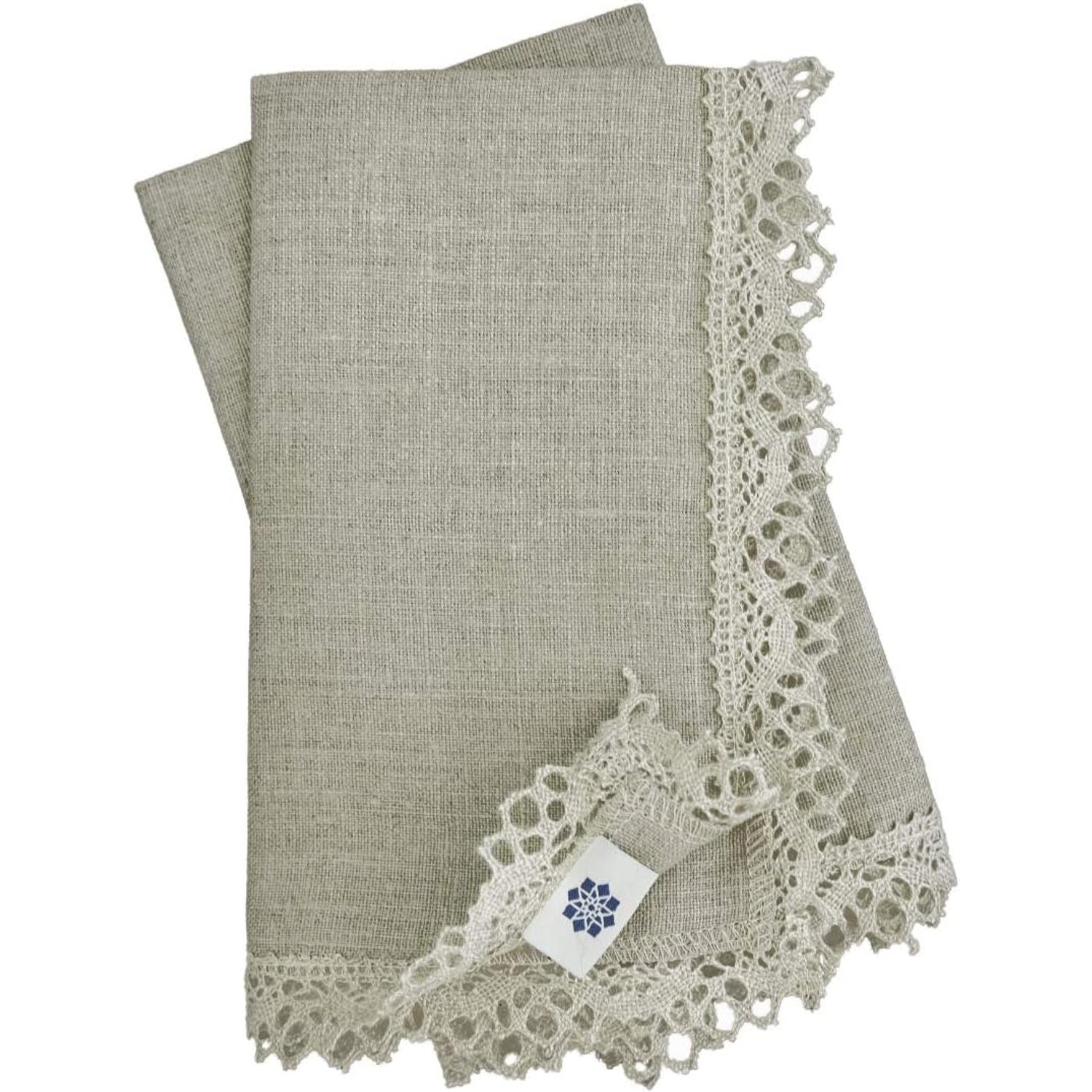
  • Crochet Lace Edge
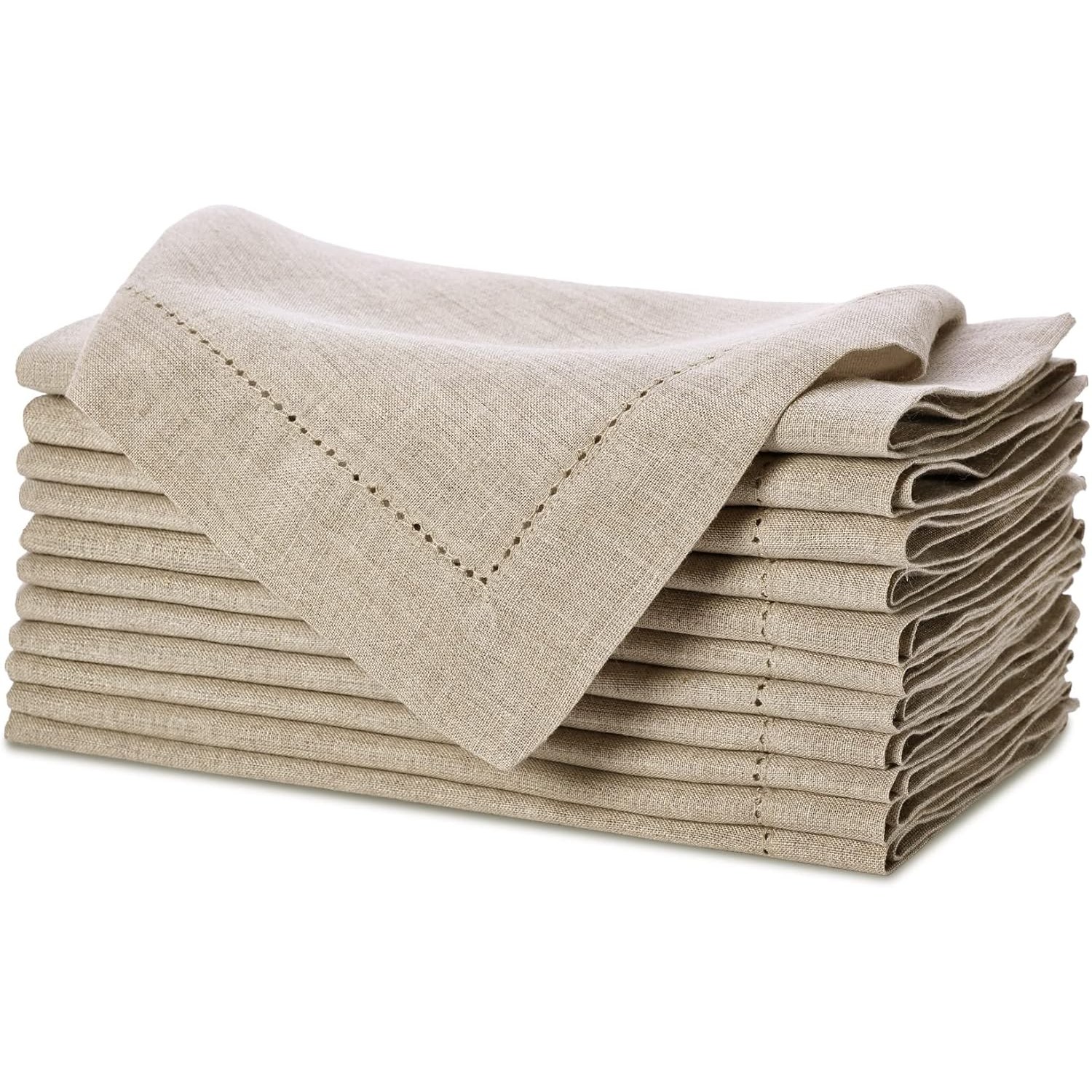
  • Set of Four
  • Machine Washable

Price: $134.99 $161.99

  • Free tracked delivery across Singapore on orders $150+, otherwise a flat $20
  • Pay by card or PayPal, handled by the payment provider
  • 14 days to change your mind, plus your statutory rights
Product specifications
Material100% linen
Edge FinishCrochet lace border
ColourNatural / beige
ShapeSquare
PatternSolid
Size39 cm x 39 cm
Number of Pieces4
Made InEU, as stated by the maker
CareMachine wash at 40 degrees, gentle or linen cycle
Shipping & returns

Tracked delivery anywhere in Singapore. It is free on orders of $150 or more, and a flat $20 below that.

If it is not right for you, send it back within 14 days of delivery in resaleable condition and we refund the price you paid, including standard delivery. That is a voluntary policy we offer on top of your legal rights. You cover the cost of returning it unless the item is faulty.

If it arrives faulty, damaged or not as described, we put it right at no cost to you, return postage included, and your protection under the Consumer Protection (Fair Trading) Act 2003 is unaffected.

Shipping details · Refunds and returns

Pure Linen ClothMade from 100% linen, as stated by the maker.
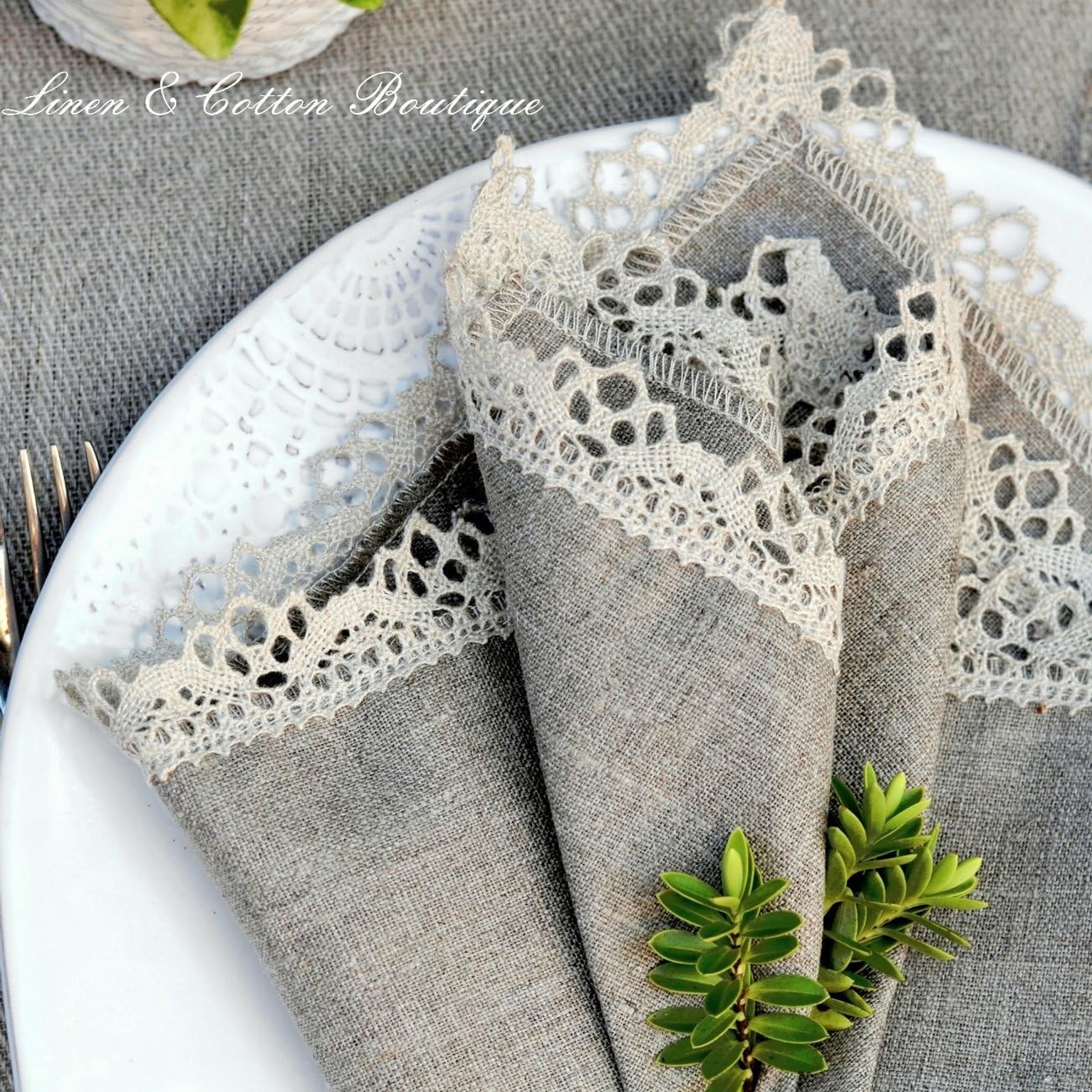
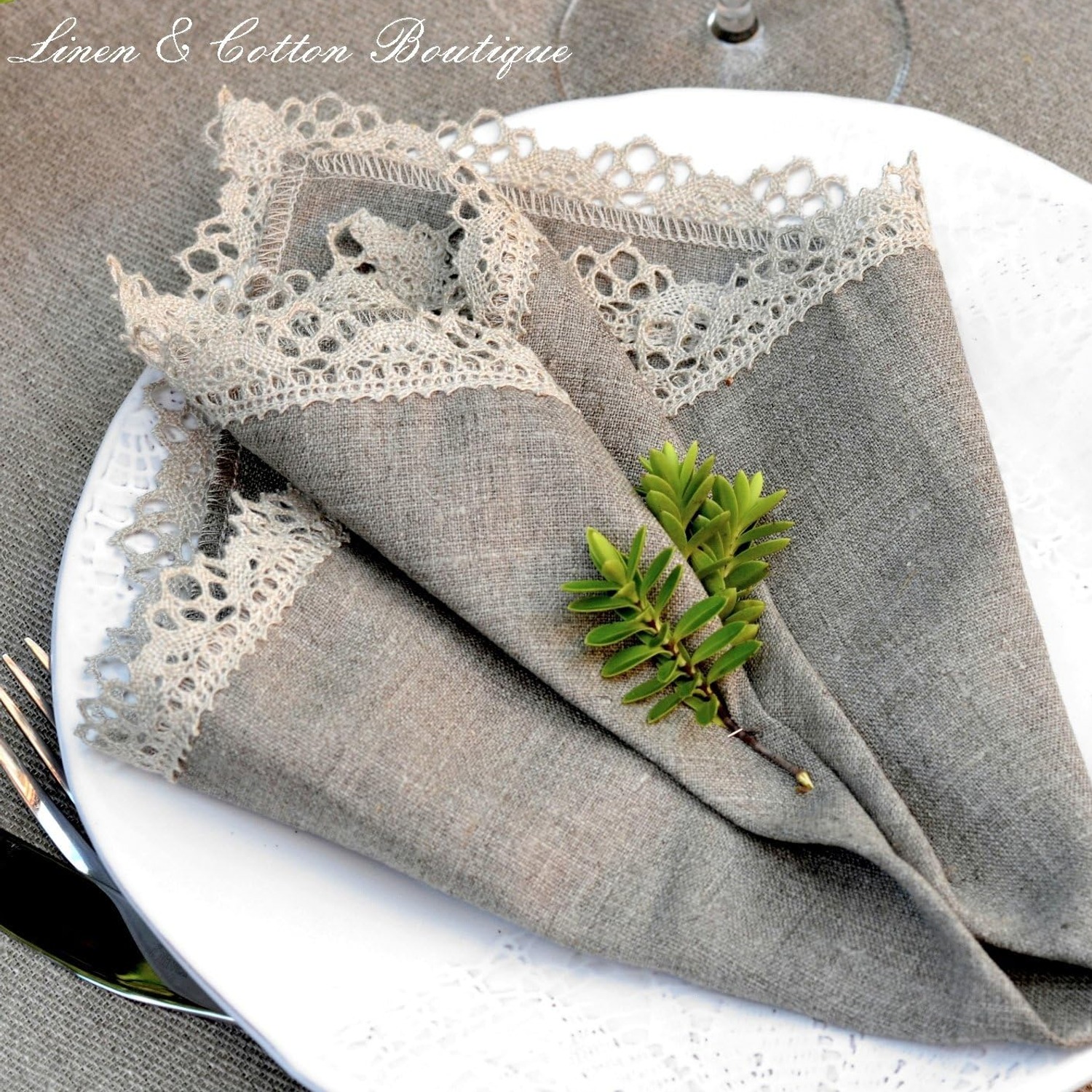
Crochet Lace EdgeA crochet lace border frames each napkin and lifts a plain place setting.
Set of FourFour matching 39 x 39 cm napkins, enough for a small dinner or two place settings with spares.
Machine WashableWashes at 40 degrees on a gentle cycle, so they go back on the table rather than in a drawer.

Set a table that feels considered with crochet edged linen napkins made from pure linen and finished with a crochet lace border.

Four 39 x 39 cm napkins in 100% linen with a crochet lace edge, made in the EU, machine washable at 40 degrees on a gentle cycle, in a natural beige that works with almost any tableware.

A set of four napkins cut from 100% linen and finished with a crochet lace edge along each side.

Each napkin measures 39 x 39 cm, a practical size for lap or place setting without swamping a small table.

The natural beige colour sits quietly beside white china, dark wood, glass and ceramics in any shade.

Linen is machine washable at 40 degrees on a gentle or linen cycle, so everyday use is realistic.

Made in the EU, as stated by the maker, and supplied as a coordinated set of four.

Crochet Edged Pure Linen Napkins, Set of 4

Linen has been the cloth of choice for table settings for a very long time, and the reason is simple. The fibre is strong, it absorbs moisture readily, and it generally softens the more it is washed. These napkins are made from 100% linen, as stated by the maker.

Crochet Edged Pure Linen Napkins, Set of 4

The crochet lace edge is what separates this set from a plain hemmed napkin. A worked border runs along each side of the square, adding texture and a little shadow where the light catches it. It reads as considered rather than fussy, which means the napkins suit a quiet weeknight dinner just as easily as a table laid for guests. If you have been looking for lace trimmed napkins that do not tip into costume territory, this is the restrained version of that idea.

Each napkin measures 39 x 39 cm. That is a sensible working size. Folded once it covers a lap properly, folded twice it sits neatly under cutlery, and rolled it slips into a napkin ring without bulk. On a small dining table in a flat, a 50 cm napkin can look heavy and crowd the place setting. This size leaves room for plates, glasses and serving dishes.

The colour is a natural beige, which is one of the more useful neutrals in table linen. It works against white porcelain, it softens the contrast of dark stoneware, and it does not fight with coloured glass or patterned plates. If your crockery changes over the years, a neutral napkin tends to survive the change. For anyone building a neutral table linen collection slowly, this is a sound base.

Practically, these are made to be used. The care instruction is a machine wash at 40 degrees on a gentle or linen cycle, which is the same wash most household cottons get. There is no hand washing requirement and no complicated routine. Linen creases, that is part of the character, and you can either press it flat with a steam iron or let it relax into soft folds. Both looks are correct.

Not sure yet? That is fine.

Fibre, weight and colour are hard to judge from a photograph, and a piece has to feel right in the hand. If it is not right for you, send it back within 14 days of delivery in resaleable condition and we refund the price you paid, including standard delivery. That is a voluntary policy we offer on top of your legal rights.

If it turns up faulty, damaged or not as described, that is on us. We pay the return postage, with your protection under the Consumer Protection (Fair Trading) Act 2003 unaffected. Read the full detail on our refunds and returns page, or ask us anything before you order.

Frequently Asked Questions

What exactly is included in this set?

You receive four napkins, all matching, all cut to 39 x 39 cm. Each one is made from 100% linen and finished with a crochet lace border along the edges. Nothing else is included, so if you want a matching tablecloth or runner you would buy that separately.

What is the fabric?

The napkins are 100% linen, with no cotton or polyester blended in. Linen is spun from flax fibre, which is why it feels crisp at first and softens over time. The crochet lace edge is worked around the perimeter of each square.

How big is each napkin?

Each napkin is 39 x 39 cm, square. That is a mid-size dinner napkin, large enough to cover a lap when folded once and compact enough not to overwhelm a small table. It is a practical size for most home dining setups.

Is 39 cm large enough for a dinner party?

Yes, 39 cm is a common dinner napkin size and is comfortable for a full meal. Formal banquet napkins run larger at around 50 cm, but those are designed for long table service with multiple courses. For home entertaining, 39 cm gives you coverage without bulk.

What colour are they?

Natural beige. In the photos it is a soft grey-beige flax tone, with the crochet lace in a slightly lighter shade. It is a solid colour with no printed pattern.

Will the beige match my white plates?

It usually looks very good against white. The photos show the napkins on white plates. The warmth of natural beige takes the sharpness off bright white porcelain and gives the setting a softer feel.

Can I machine wash these?

Yes. The recommended care is a machine wash at 40 degrees on a gentle or linen cycle. There is no need to hand wash, which makes them realistic for regular use rather than once-a-year occasions.

Do they need ironing?

That depends on the look you want. Pressed with a warm steam iron they go crisp and formal, left to air dry they fall into soft natural creases. Both are acceptable with linen, and plenty of people prefer the relaxed version.

Will linen shrink in the wash?

The maker makes no shrinkage claim. Linen can shrink a little in a first wash, which is normal for the fibre. Stay at the recommended 40 degrees on a gentle or linen cycle and avoid high heat drying.

How should I dry them?

The maker gives washing advice only, with no drying guidance. Line drying is the gentlest option, indoors with airflow or in an air-conditioned room. Pressing is easier while the linen is still slightly damp.

Is the crochet edge delicate?

Treat it the way you would any lace trim: no bleach, no rough handling and care when pressing. Avoid catching the border on hooks, zips or rough surfaces. The photos show an open, scalloped lace around all four sides.

Can I use bleach on stains?

Bleach is not advisable on natural linen or on a lace edge, as it weakens fibres and can yellow the colour. For food stains, rinse with cool water quickly and treat with a mild stain remover before washing. Most common table stains lift with prompt attention.

How do I deal with wine or sauce marks?

Blot, do not rub. Rinse the area in cool water as soon as you can, then wash at 40 degrees. Repeat the treatment before drying if a mark is still visible, since heat sets stains.

Is linen better than cotton for napkins?

They are different. Linen has a crisper, more textured feel and generally softens with washing. Cotton is usually cheaper and less prone to creasing. The choice comes down to whether you want the texture of linen or an easier-care cloth.

Why does linen crease so much?

Flax fibre has low elasticity, so it folds and holds the fold. That is a property of the material, not a fault. Many people regard the creasing as part of the appeal of linen table settings, and a steam iron removes it entirely if you prefer flat.

Are these suitable for everyday meals?

Yes, and that is really the point of a machine washable set. Using cloth napkins daily means buying fewer paper ones, and the table looks better for very little effort.

Will four be enough for my household?

Four covers a small family or a dinner for four with no spares. If you host regularly or want a clean set available while the others are in the wash, buying two sets is the common approach. Many people keep eight in rotation.

Can I mix these with other napkins?

Natural beige mixes well, so you can pair them with plain white or darker linens without it looking accidental. The crochet edge gives this set a slightly dressier character, so it works as the feature while plainer napkins sit alongside. Keeping the sizes similar helps the table look deliberate.

Do they work with napkin rings?

They do. At 39 x 39 cm the fabric rolls or folds down to a neat bundle that fits standard rings without straining them. Linen holds a fold better than many fabrics, so the shape stays tidy through a meal.

What are good folds for these?

A simple rectangle under the cutlery, a loose roll in a ring, or a flat square set under the plate all suit linen. Elaborate sculptural folds tend to work better with starched cotton. With a lace edge, folds that show the border along one side look best.

Can I starch them?

Light starch is fine if you want a sharper fold and a more formal table. Use it sparingly on the body of the napkin rather than soaking the crochet edge. Over time heavy starching can make natural fibres brittle, so occasional use is wiser than constant.

Can I put hot dishes on them?

Napkins are not designed as heat protection, so do not use them as trivets or pot holders. Direct contact with very hot surfaces can scorch linen. Use proper mats for serving dishes.

How long should a set of linen napkins last?

That depends on use and care. Linen is one of the stronger textile fibres. Washing at the recommended temperature, avoiding bleach and storing the napkins dry does most of the work.

How should I store them between uses?

Fold or roll them and keep them in a dry drawer or cupboard away from direct sunlight. In a humid climate, make absolutely sure they are fully dry before storing, since damp natural fibres can develop musty smells or mildew. A loose fold is kinder to the fabric than a tight crease held for months.

Should I wash them before first use?

The maker does not describe the napkins as pre-washed, so one gentle 40 degree wash before first use is sensible. It softens the feel and shows you how they behave in your machine.

Where are they made?

The maker states the set is made in the EU.

Are these a good gift?

They make a good gift, particularly for housewarmings, weddings and anyone who entertains. A set of four in a neutral shade is useful without being too personal, and the crochet edge gives the set a sense of occasion.

Can I buy a matching tablecloth?

This set is the four napkins only. Natural beige linen is a widely available shade, so coordinating pieces are generally easy to find. Check the tone in daylight when matching, as beige varies between makers.

Where do I find delivery and returns information?

Delivery and returns terms are set out on the store's Shipping and Refunds & Returns pages. Please read those pages for the current details.

What does the lace edge look like?

The photos show an open crochet lace with a scalloped outer edge, in a slightly lighter beige than the linen. It runs around all four sides of each napkin.

Choosing Linen Napkins, A Practical Buyer's Guide

6 min read Quiet Luxury Company

The problem with paper

Most of us reach for paper napkins because they are easy. No washing, no folding, no thinking. But anyone who has run out mid-meal, or watched a flimsy one disintegrate against a plate of noodles, knows the limits. Paper does not absorb much, it does not sit flat on a lap, and it makes the table look temporary.

Cloth napkins solve all of that, and the main reason people avoid them is a suspicion that they will be a chore. That suspicion usually comes from older table linen that needed hand washing, starching and a half hour at the ironing board. Modern linen does not ask for any of that. If it washes at 40 degrees in the machine, it is as easy as a tea towel.

That is the main thing to understand about this set. Four napkins, 39 x 39 cm, 100% linen, crochet lace edge, machine wash at 40 degrees on a gentle or linen cycle. The care instruction is short on purpose.

Why linen, specifically

Linen comes from flax. It is one of the oldest textile fibres in use, and it stayed popular for table and bed linen for reasons that are still true.

First, it absorbs. Linen can take up a good deal of moisture before it feels wet, which is exactly what you want from something that is wiping hands and mouths through a meal. Second, it is a crisp, textured cloth that sits flat on a lap and holds a fold.

Third, and this is the part people fall for, linen generally softens with washing. A set of linen napkins that has been through the machine a few times usually feels nicer than it did on the first day.

The trade-off is creasing. Flax fibre does not spring back, so it folds and holds the fold. You can press it out with a steam iron in seconds, or you can accept the soft rumpled look that most people now consider the point of linen. There is no wrong answer there, but if you want a table that looks ironed, you do have to iron it.

What the crochet edge actually does

A plain napkin has a hem. This one has a worked crochet lace border running along each side of the square.

It changes the character of the napkin more than you might expect. A hemmed beige square is functional and nearly invisible on a table. The same square with a lace edge reads as something chosen. The border catches light at a slight angle, which gives the flat colour some depth, and when the napkin is folded so the edge shows along one side, it does the decorative work on its own. You do not need patterned plates or a runner to make the setting look complete.

It is also restrained. Crochet trim can go heavy and old-fashioned if it is wide and busy. A narrow worked border against a plain natural ground stays on the right side of the line. If you have been hunting for crochet edge napkins without ending up with something that looks like a doily, this is the quieter version.

Practically, the edge needs the same consideration you would give any lace. Do not bleach it, do not snag it on hooks or rough surfaces, and press carefully around it rather than bearing down. That is the whole list.

Getting the size right

Napkin sizing confuses people because the range is wide and nobody explains it.

Cocktail napkins sit around 20 to 25 cm and are for drinks and canapés. Lunch napkins run near 30 to 35 cm. Dinner napkins are typically 40 to 50 cm, with the biggest sizes used for long formal service in restaurants and banquet halls. At 39 x 39 cm, this set sits at the practical end of dinner size.

Here is why that matters at home. A 50 cm napkin folded on a small dining table takes up real estate you may not have. On a round table for four, or a compact rectangular table in a flat, large napkins crowd the place setting and compete with plates, glasses and serving dishes. A 39 cm square folds once into a rectangle that covers a lap properly, folds twice into a neat square that sits under cutlery, and rolls down small enough for a napkin ring.

If you host big formal dinners on a long table, go larger. For everything else, this size is easier to live with.

The case for a neutral colour

Natural beige is not an exciting choice, and that is precisely its value.

Tableware changes. People inherit plates, break plates, buy a set of stoneware on impulse. Coloured and patterned napkins tie you to a particular scheme, and when the scheme moves on, the napkins look wrong. A warm neutral goes with white porcelain, dark glazes, clear glass, timber boards and coloured tumblers without argument.

Beige also hides light use better than pure white. White napkins look magnificent for exactly one meal, then show every coffee ring and olive oil mark. A natural tone is more forgiving between washes, which means you get more use from each set.

If you are building up table linen over time, starting neutral and adding colour later is the lower-risk order to do it in.

Washing, drying and storing

The recommended care is a machine wash at 40 degrees on a gentle or linen cycle. Wash with similar colours. Skip the bleach.

The maker gives no drying guidance. Line drying is the gentlest option. If you choose to tumble dry, keep the heat low and pull them out while slightly damp, which makes pressing easier. Shake each napkin out before you hang it, since linen sets whatever shape it dries in.

Stains want prompt attention rather than aggressive treatment. Blot, rinse in cool water, treat with a mild remover, then wash. Do not put a stained napkin through a hot dry cycle, because heat sets marks permanently.

Storage has one rule worth repeating in a humid climate: make sure they are completely dry before they go in the drawer. Natural fibres stored damp pick up musty smells and, left long enough, mildew. A cupboard with some airflow beats a sealed box.

Who this set suits

If you eat at a table most days, cloth napkins pay for themselves in convenience and in not buying paper. Four is enough for a household of two with a spare pair, or a family of four with none in reserve. People who host often tend to buy two sets so there is always a clean four available.

It also works as a gift. Table linen is one of the safer presents for a housewarming or a wedding, because it is useful, it does not require matching anyone's existing taste too closely, and a lace-edged set feels more generous than its size suggests.

The short version

Four napkins, 100% linen, 39 x 39 cm, natural beige, crochet lace edge, made in the EU as the maker states. Machine wash at 40 degrees on a gentle cycle, line dry, press if you like crisp or leave it if you like soft.

Linen softens with washing, the neutral colour will outlast your current plates, and the lace border means the table looks considered without any extra effort from you. That is most of what there is to say.

Browse the shop

Ready to set a better table?

Four pure linen napkins with a crochet lace edge, machine washable and sized to suit everyday meals as well as guests.

Ask us a question

Page summary

A set of four square napkins made from 100% linen with a crochet lace edge, sold as table linen. Each napkin measures 39 x 39 cm and the colour is a natural beige with a solid, unpatterned face. The maker states the set is made in the EU. Care is a machine wash at 40 degrees on a gentle or linen cycle. The set suits everyday dining, dinner parties and gifting, and the neutral shade coordinates with most tableware.